
Developmental Grasp Patterns
Developmental Grasp Patterns - In this video, we discuss what developmental grasp patterns are. A tripod grasp controls the pencil with the thumb and index finger, supported by the middle finger with both the ring finger and pinky fingers tucked into the palm. Web a cylindrical grasp and a spherical grasp are important parts of grasp pattern development, and are functional grasps needed for many daily tasks. Overall grasp patterns are well developed by age 5 but strength, dexterity, and precision continue to develop. Web what does typical grasp development look like? Recognizing and supporting the progression of these patterns is vital for promoting healthy motor development. Web the first part describes developmental characteristics of prehension, i.e. Ulnar palmar grasp, palmar grasp, and radial palmar grasp. Web learn the stages of pencil grasp development, when they start developing, and why your kiddo's might look different. Children progress through different grasp patterns as they gain more muscle control and strength in the muscles of the hand. Children will develop grasping patterns at various ages and rates, but there is a typical sequence of grasp development that is a part of expected development. These patterns evolve as a child develops their fine motor skills. Web grasp patterns refer to the way we hold and manipulate objects with our hands. Web grasp patterns refer to the different ways in which children typically hold objects or manipulate them using their hands. Even babies and toddlers are developing proper pencil and hand grasp. Palmar grasp (reflexive grasp) the palmar grasp is an early grasp pattern seen in infants. Web learn the stages of pencil grasp development, when they start developing, and why your kiddo's might look different. When assessing a child, we look first at functionality along with other factors such as hand fatigue and pencil control, speed, and legibility. This grasp does not involve use of the thumb. The following illustrations show general developmental patterns a child may exhibit and the complexity with which they should progress. A tripod grasp controls the pencil with the thumb and index finger, supported by the middle finger with both the ring finger and pinky fingers tucked into the palm. Web what does typical grasp development look like? Ulnar palmar grasp, palmar grasp, and radial palmar grasp. Recognizing and supporting the progression of these patterns is vital for promoting healthy motor. Web pencil grasp development progresses through a typical pattern in most cases. Here is how grasping evolves: This refers to how children hold on to utensils; The frequency of visual and fine motor patterns, with the exception of bilateral hold symmetrical and unilateral grasp left, continued to increase through 16 months of age. Here are names of pencil grasps and. Web a cylindrical grasp and a spherical grasp are important parts of grasp pattern development, and are functional grasps needed for many daily tasks. Overall grasp patterns are well developed by age 5 but strength, dexterity, and precision continue to develop. Web development of grasp patterns. Web what does typical grasp development look like? Palmar grasp (reflexive grasp) the palmar. Web developmental grasp patterns. A quadrupod grasp controls the pencil by the thumb, index finger and middle finger while being supported by the ring finger. This grasp does not involve use of the thumb. Here are names of pencil grasps and the ages that you will see each grasp. The frequency of visual and fine motor patterns, with the exception. Ulnar palmar grasp, palmar grasp, and radial palmar grasp. Children pick up habits for grasp patterns early on. These grasp patterns are known as the palmar grasp, pincer grasp, lateral grasp, and the tripod grasp. Web we will explore the types of grasp patterns (lateral key, hook, cylindrical, pincer, etc.) and offer activities to support development of each grasp pattern.. Children pick up habits for grasp patterns early on. Web grasp patterns are integral to your child’s development, influencing everything from basic exploration to complex fine motor tasks. Web development of grasp patterns. Rakes object into palm scissors grasp of pellet held between thumb and side of curled index finger takes second block; A quadrupod grasp controls the pencil by. Web grasp patterns refer to the different ways in which children typically hold objects or manipulate them using their hands. Here are names of pencil grasps and the ages that you will see each grasp. Have you ever watched your kiddo color or write and notice that they change their pencil grasp in the middle of the task? Web we. Rakes object into palm scissors grasp of pellet held between thumb and side of curled index finger takes second block; Web these are the 2 general grasp patterns that we see. Holding a can, broom handle, drinking glass, tennis racket, handhold on a walker or crutch. These grasp patterns are known as the palmar grasp, pincer grasp, lateral grasp, and. Web learn the stages of pencil grasp development, when they start developing, and why your kiddo's might look different. A quadrupod grasp controls the pencil by the thumb, index finger and middle finger while being supported by the ring finger. Here is how grasping evolves: Web developmental grasp patterns. Thumb opposition, finger flexion, and object stabilized in the palm. Web pencil grasp development progresses through a typical pattern in most cases. A quadrupod grasp controls the pencil by the thumb, index finger and middle finger while being supported by the ring finger. These patterns evolve as a child develops their fine motor skills. Extension and movement of the arm for touching or taking hold of objects. In this blog. Web a cylindrical grasp and a spherical grasp are important parts of grasp pattern development, and are functional grasps needed for many daily tasks. Web the first part describes developmental characteristics of prehension, i.e. Web these are the 2 general grasp patterns that we see. Here is how grasping evolves: Web what does typical grasp development look like? Web grasp patterns refer to the way we hold and manipulate objects with our hands. What finger movements are needed? Feeding and drinking, domestic tasks, mobility, and leisure. These various types of grasp patterns are important to understand when using finger strength exercises to build grasp and pinch strength in fine motor tasks. Web developmental grasp patterns. The frequency of visual and fine motor patterns, with the exception of bilateral hold symmetrical and unilateral grasp left, continued to increase through 16 months of age. Children will develop grasping patterns at various ages and rates, but there is a typical sequence of grasp development that is a part of expected development. The second part deals with the development of independent finger movements, which is an important prerequisite for both. Whether it be for eating, coloring, or. Thumb opposition, finger flexion, and object stabilized in the palm. (4 years+) dynamic tripod grasp.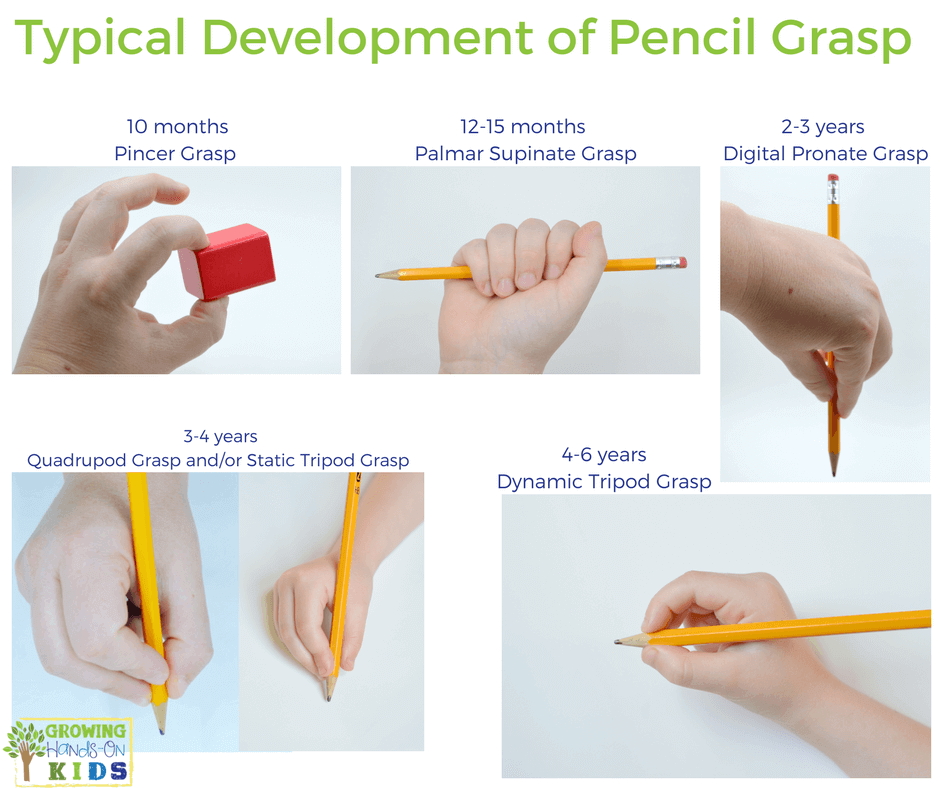
TypicalPencilGraspDevelopmentFB2 Growing HandsOn Kids

Development of Grasp Pediatric therapy, Development, Pediatric
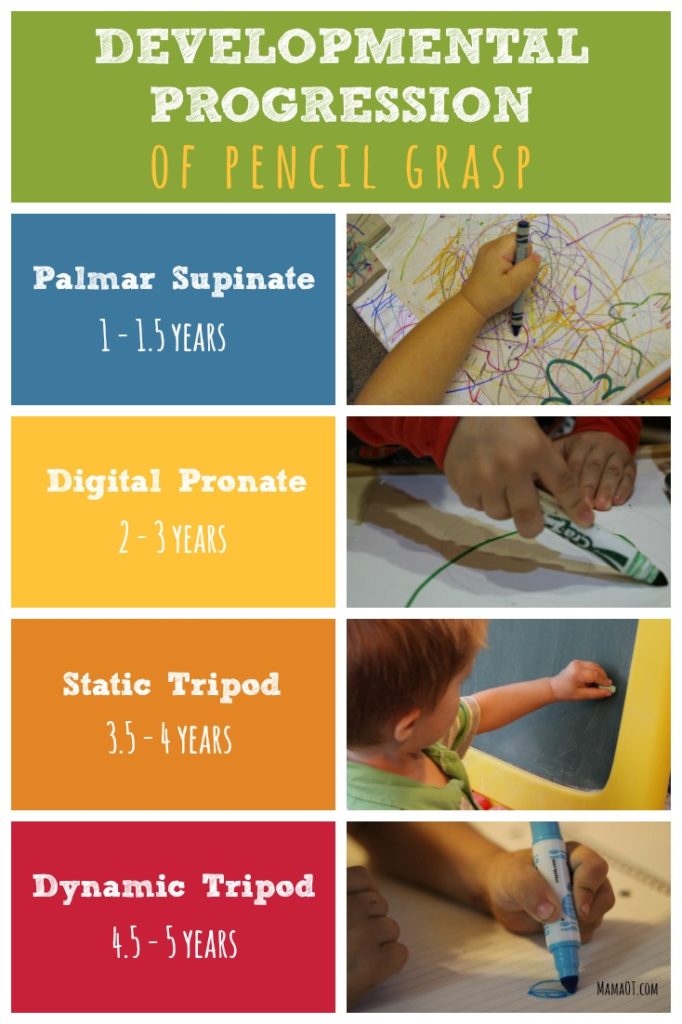
Developmental Progression of Pencil Grasp

Kinesiology 262 > Ofari > Flashcards > Lecture 17 (Fine Motor

Typical Pencil Grasp Development for Writing Pencil grasp, Preschool
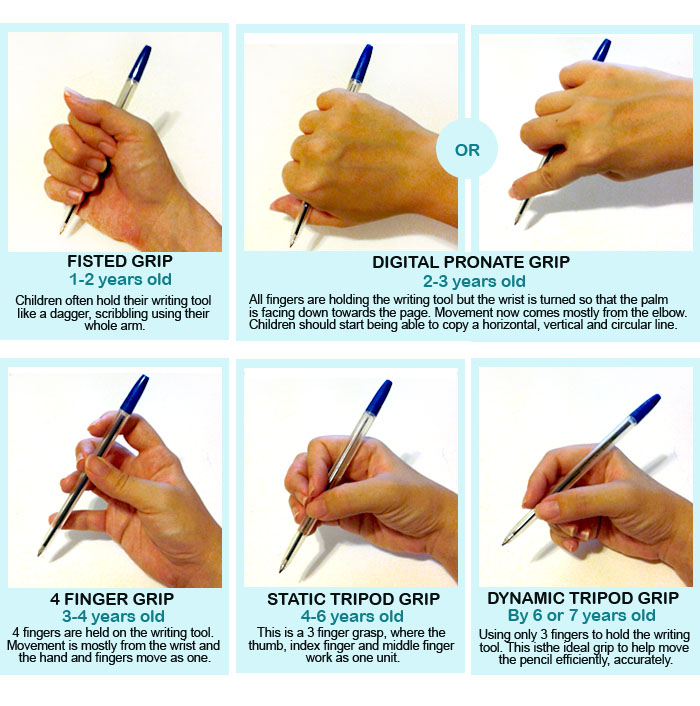
Pencil Grasp Development in Children

Figure 1 from Pencil grasp and children's handwriting legibility during
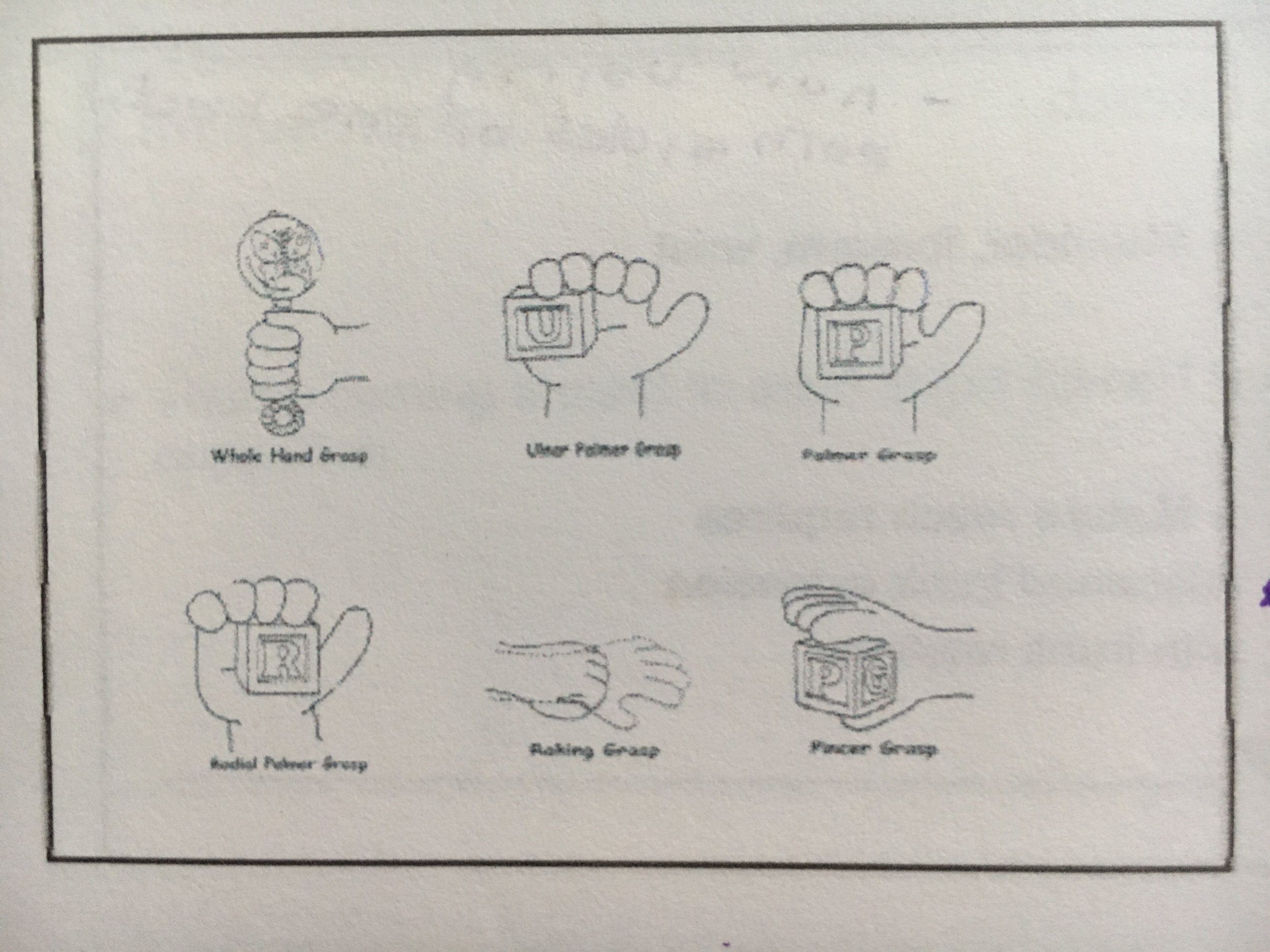
Developmental Grasp Patterns Chart Ponasa

Image result for grasp patterns Pencil grasp, Grasp, Fine motor

Practice Grasp Patterns Your Therapy Source
Even Babies And Toddlers Are Developing Proper Pencil And Hand Grasp.
Children Progress Through Different Grasp Patterns As They Gain More Muscle Control And Strength In The Muscles Of The Hand.
These Patterns Evolve As A Child Develops Their Fine Motor Skills.
Web Grasp Patterns Are Integral To Your Child’s Development, Influencing Everything From Basic Exploration To Complex Fine Motor Tasks.
Related Post: