
Pnf Patterns D1 And D2
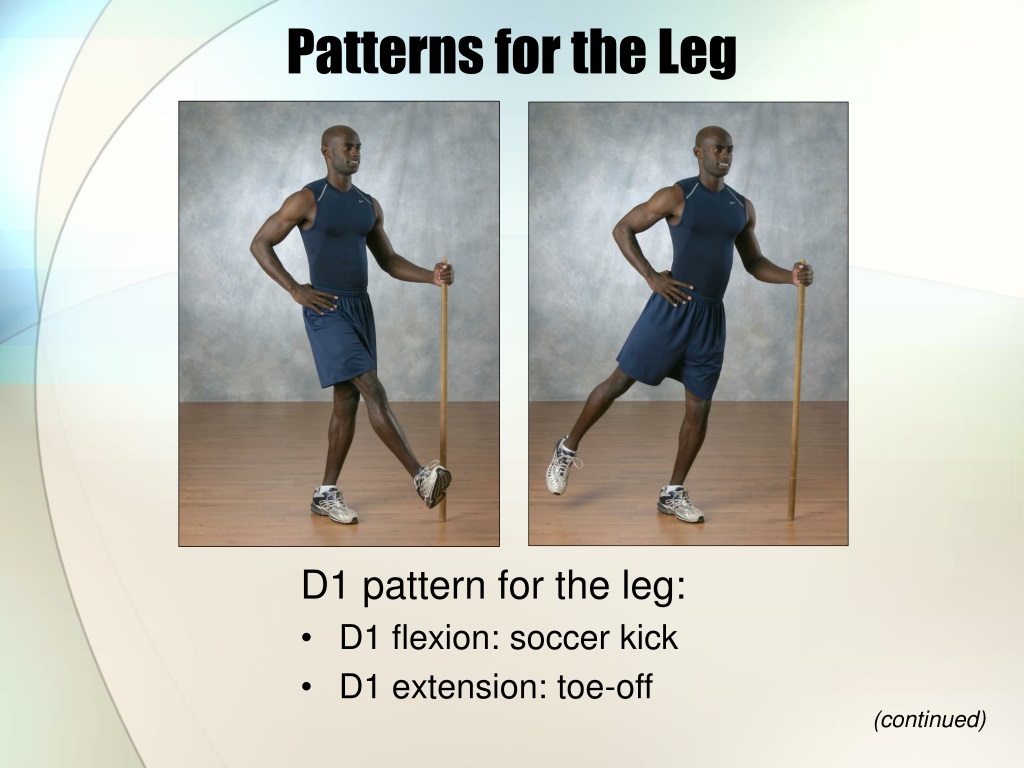
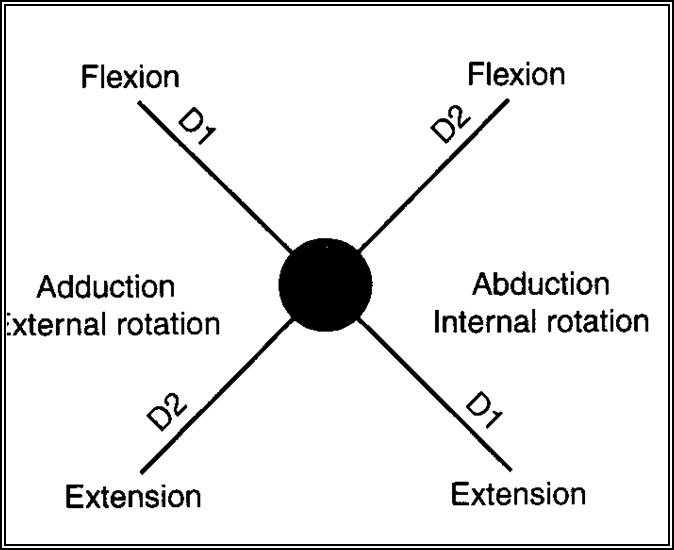
Pnf Patterns D1 And D2 - In short, the goal of using pnf patterns is to improve the neuromuscular system’s ability to coordinate movement. The upper extremity pattern encompasses the shoulder, elbow, wrist and fingers. Web this pattern emphasizes the coordination between the muscles and consists of the d1 (flexion, adduction, external rotation) and d2 (flexion, abduction, and external rotation) components. It also applies sensory cues, specifically proprioceptive, cutaneous, visual and auditory feedback, to improve muscular response. It can be used in different population according to needs. The first pattern is the d1 pattern. Web pnf patterns for the upper extremity, with functional examples.aedraho.com. Web i am going to show you them in standing so they not only challenge your movements, but they also challenge your balance. Web d1 & d2 patterns are part of proprioceptive neuromuscular facilitation (pnf) concepts. D1 and d2 motions targeting flexion and extension. It can be used in different population according to needs. Web the upper and lower extremities each have two patterns: In short, the goal of using pnf patterns is to improve the neuromuscular system’s ability to coordinate movement. Web proprioceptive neuromuscular facilitation (pnf) is a dynamic approach to the evaluation and treatment of neuromusculoskeletal dys function with particular emphasis on the trunk. Web i am going to show you them in standing so they not only challenge your movements, but they also challenge your balance. Web these diagonal patterns are subdivided into d1 moving into flexion, d1 moving into extension, d2 moving into flexion, and d2 moving into extension. Web this pattern emphasizes the coordination between the muscles and consists of the d1 (flexion, adduction, external rotation) and d2 (flexion, abduction, and external rotation) components. Pnf shoulder patterns are combined movement patterns in all three planes of motion. The upper extremity pattern encompasses the shoulder, elbow, wrist and fingers. This video explains about how physiotherapist can apply. Web along with stretching, pnf strengthens the body through diagonal patterns, often referred to as d1 and d2 patterns. It can be used in different population according to needs. The first pattern is the d1 pattern. Web the upper and lower extremities each have two patterns: Web i am going to show you them in standing so they not only. Web the upper and lower extremities each have two patterns: Web this pattern emphasizes the coordination between the muscles and consists of the d1 (flexion, adduction, external rotation) and d2 (flexion, abduction, and external rotation) components. The patterns are used to improve range of motion at the joint as well as introduce resistance training. The upper extremity pattern encompasses the. The patterns are used to improve range of motion at the joint as well as introduce resistance training. Web i am going to show you them in standing so they not only challenge your movements, but they also challenge your balance. The first pattern is the d1 pattern. Web pnf is technique used to improve neuro muscular coordination and endurance.. Web pnf is technique used to improve neuro muscular coordination and endurance. Web pnf patterning is used for the upper and lower extremities and is broken into to d1 (diagonal 1) and d2 (diagonal 2) patterns. Web pnf patterns for the upper extremity, with functional examples.aedraho.com. Web proprioceptive neuromuscular facilitation (pnf) is a dynamic approach to the evaluation and treatment. D1 and d2 motions targeting flexion and extension. This video explains about how physiotherapist can apply. It also applies sensory cues, specifically proprioceptive, cutaneous, visual and auditory feedback, to improve muscular response. Web along with stretching, pnf strengthens the body through diagonal patterns, often referred to as d1 and d2 patterns. Pnf shoulder patterns are combined movement patterns in all. Web i am going to show you them in standing so they not only challenge your movements, but they also challenge your balance. The upper extremity pattern encompasses the shoulder, elbow, wrist and fingers. Web pnf patterns for the upper extremity, with functional examples.aedraho.com. It also applies sensory cues, specifically proprioceptive, cutaneous, visual and auditory feedback, to improve muscular response.. The upper extremity pattern encompasses the shoulder, elbow, wrist and fingers. Web pnf patterns for the upper extremity, with functional examples.aedraho.com. The first pattern is the d1 pattern. Web along with stretching, pnf strengthens the body through diagonal patterns, often referred to as d1 and d2 patterns. D1 and d2 motions targeting flexion and extension. It also applies sensory cues, specifically proprioceptive, cutaneous, visual and auditory feedback, to improve muscular response. Web pnf patterns for the upper extremity, with functional examples.aedraho.com. Web along with stretching, pnf strengthens the body through diagonal patterns, often referred to as d1 and d2 patterns. It can be used in different population according to needs. Web these diagonal patterns are. Pnf shoulder patterns are combined movement patterns in all three planes of motion. Web along with stretching, pnf strengthens the body through diagonal patterns, often referred to as d1 and d2 patterns. This will help improve the patients strength. In short, the goal of using pnf patterns is to improve the neuromuscular system’s ability to coordinate movement. Web the upper. D1 and d2 motions targeting flexion and extension. Web the upper and lower extremities each have two patterns: Web this pattern emphasizes the coordination between the muscles and consists of the d1 (flexion, adduction, external rotation) and d2 (flexion, abduction, and external rotation) components. Web along with stretching, pnf strengthens the body through diagonal patterns, often referred to as d1. The upper extremity pattern encompasses the shoulder, elbow, wrist and fingers. Web these diagonal patterns are subdivided into d1 moving into flexion, d1 moving into extension, d2 moving into flexion, and d2 moving into extension. D1 and d2 motions targeting flexion and extension. This video explains about how physiotherapist can apply. The patterns are used to improve range of motion at the joint as well as introduce resistance training. Web pnf is technique used to improve neuro muscular coordination and endurance. Web along with stretching, pnf strengthens the body through diagonal patterns, often referred to as d1 and d2 patterns. Web the upper and lower extremities each have two patterns: Web d1 & d2 patterns are part of proprioceptive neuromuscular facilitation (pnf) concepts. The first pattern is the d1 pattern. Web this pattern emphasizes the coordination between the muscles and consists of the d1 (flexion, adduction, external rotation) and d2 (flexion, abduction, and external rotation) components. In short, the goal of using pnf patterns is to improve the neuromuscular system’s ability to coordinate movement. It can be used in different population according to needs. Web proprioceptive neuromuscular facilitation (pnf) is a dynamic approach to the evaluation and treatment of neuromusculoskeletal dys function with particular emphasis on the trunk. It also applies sensory cues, specifically proprioceptive, cutaneous, visual and auditory feedback, to improve muscular response. Web pnf patterns for the upper extremity, with functional examples.aedraho.com.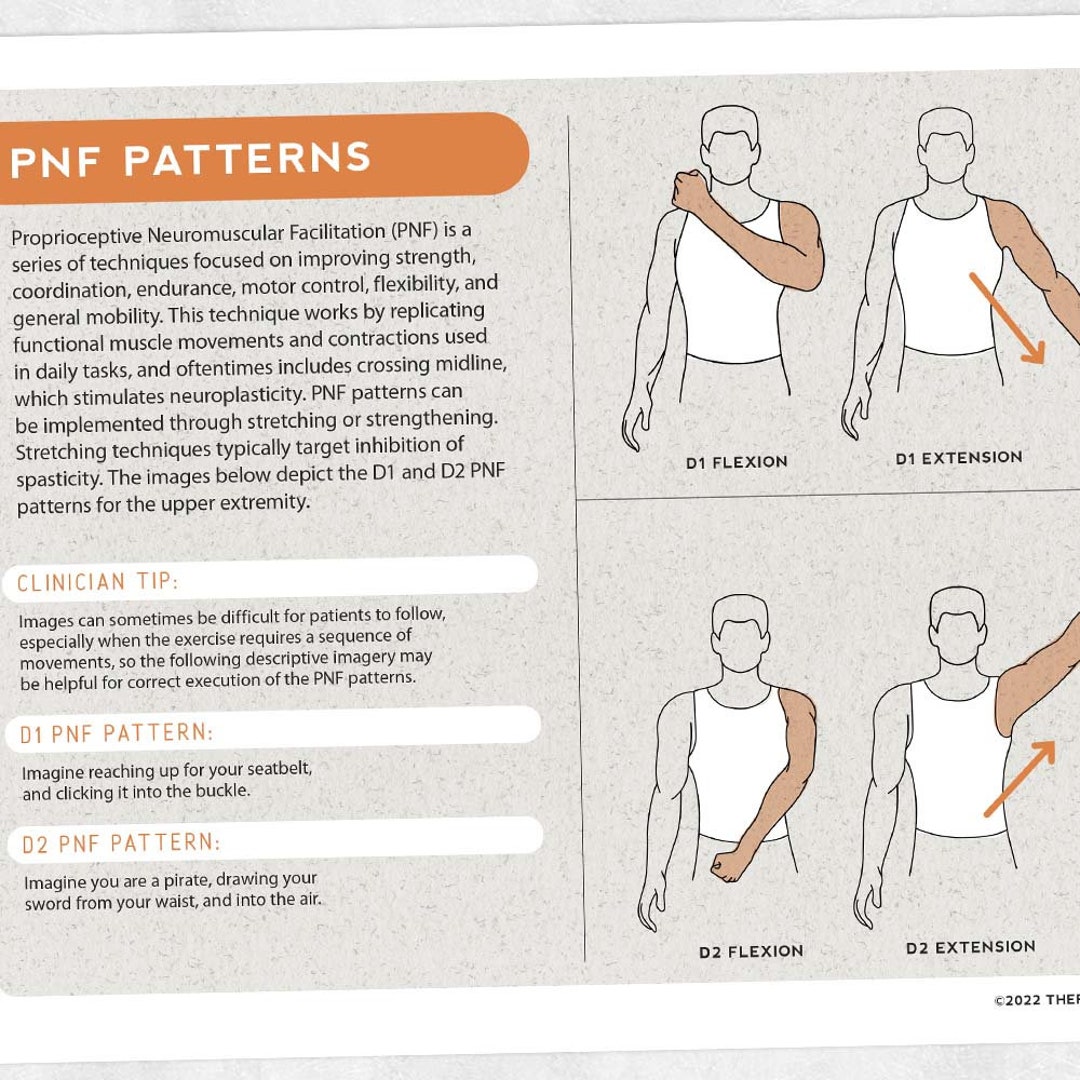
Printable Resource PNF Patterns Etsy
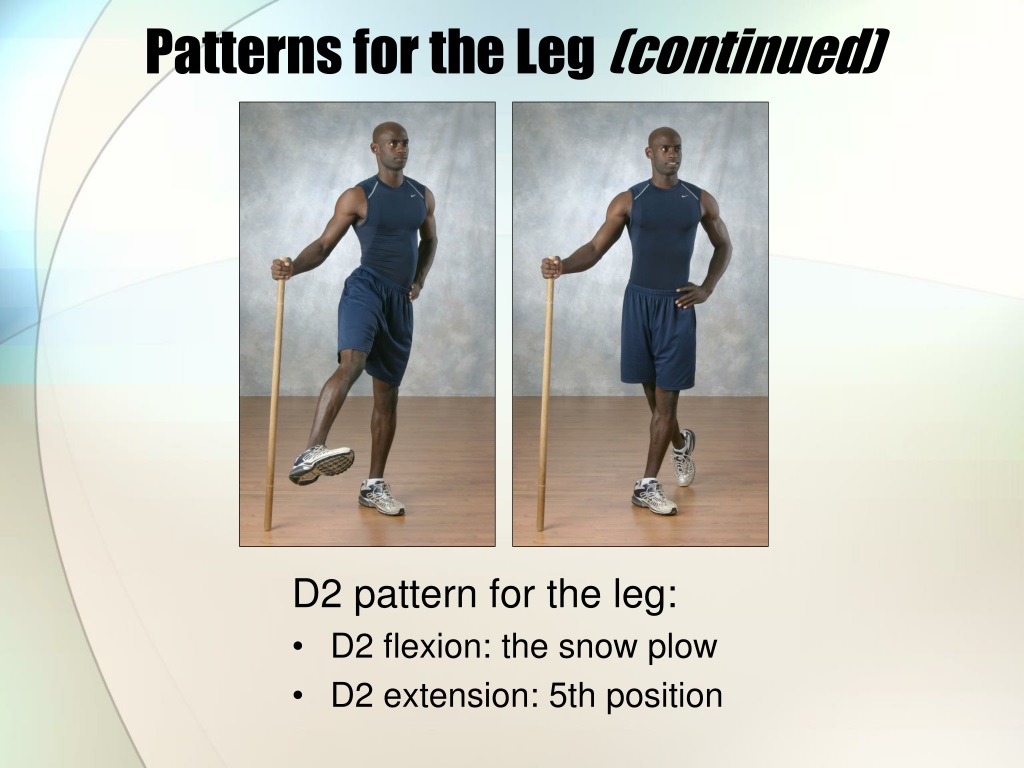
PPT Using the Spiral Diagonal Patterns of PNF PowerPoint

D1/D2 Upper Extremity PNF stretching for the Shoulder YouTube
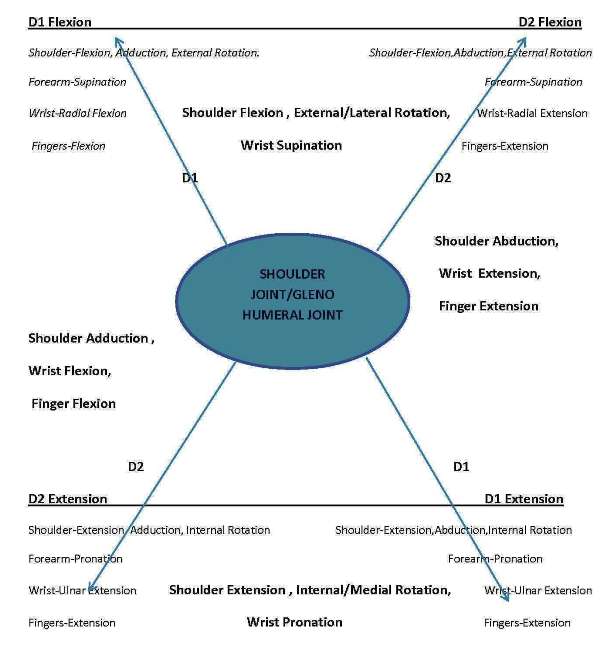
Proprioceptive neuromuscular facilitation wikidoc

LE D1&D2 Flexion/Extension PNF patterns YouTube

PPT Chapter 15 PNF and Other Soft Tissue Mobilization Techniques in
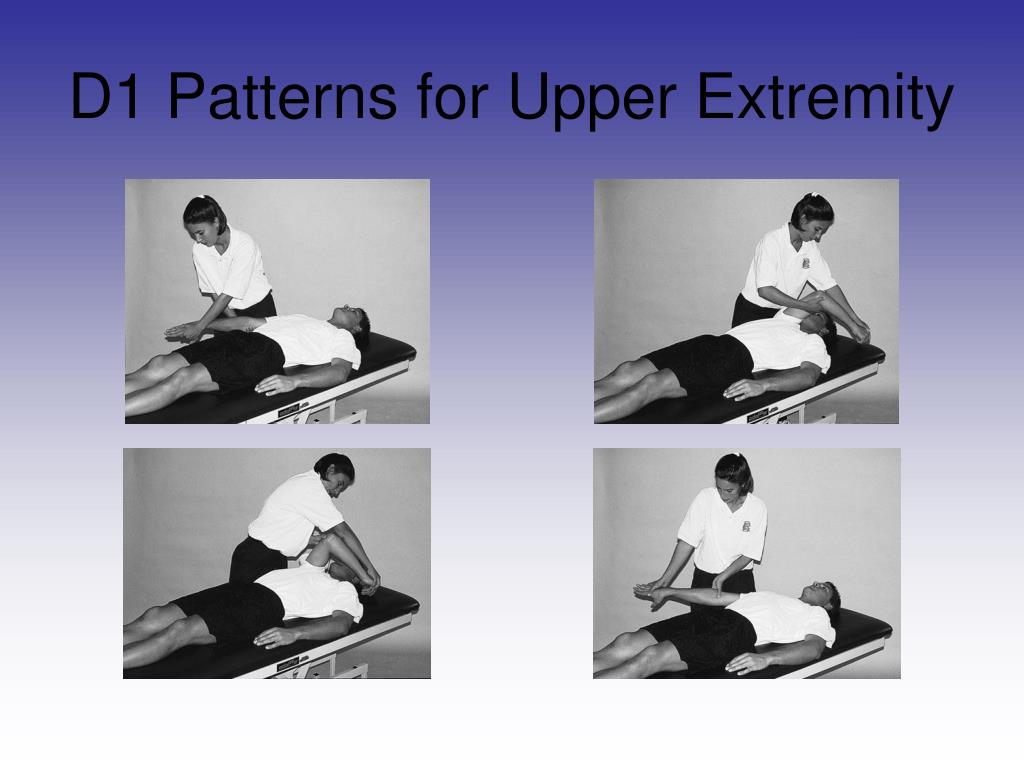
PPT Chapter 15 PNF and Other Soft Tissue Mobilization Techniques in
PPT Using the Spiral Diagonal Patterns of PNF PowerPoint
Proprioceptive Neuromuscular Facilitation Therapeutic Exercise in
PPT Chapter 15 PNF and Other Soft Tissue Mobilization Techniques in
Pnf Shoulder Patterns Are Combined Movement Patterns In All Three Planes Of Motion.
Web I Am Going To Show You Them In Standing So They Not Only Challenge Your Movements, But They Also Challenge Your Balance.
This Will Help Improve The Patients Strength.
Web Pnf Patterning Is Used For The Upper And Lower Extremities And Is Broken Into To D1 (Diagonal 1) And D2 (Diagonal 2) Patterns.
Related Post: