
Roan Coat Pattern Dog
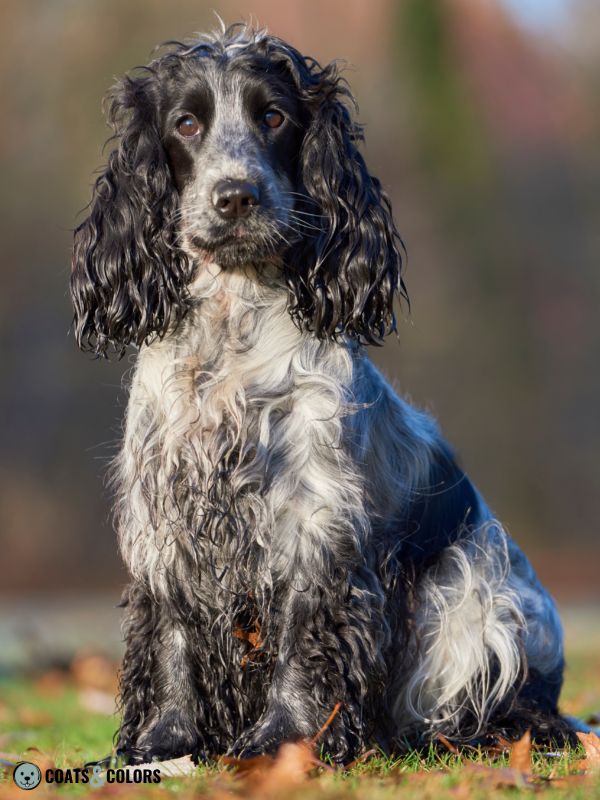
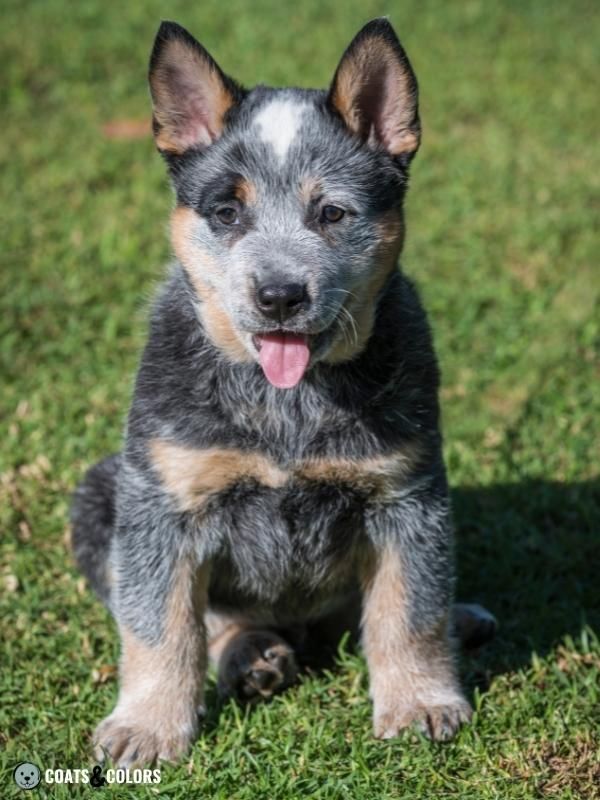
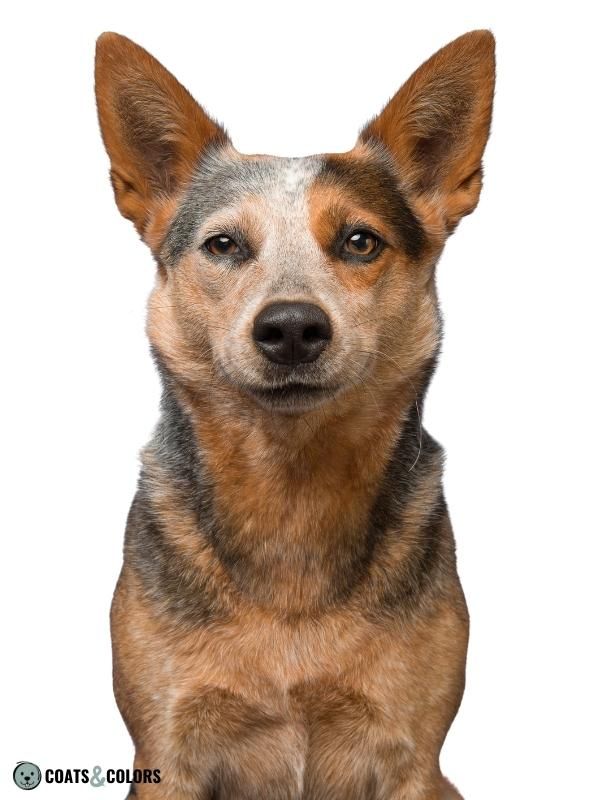
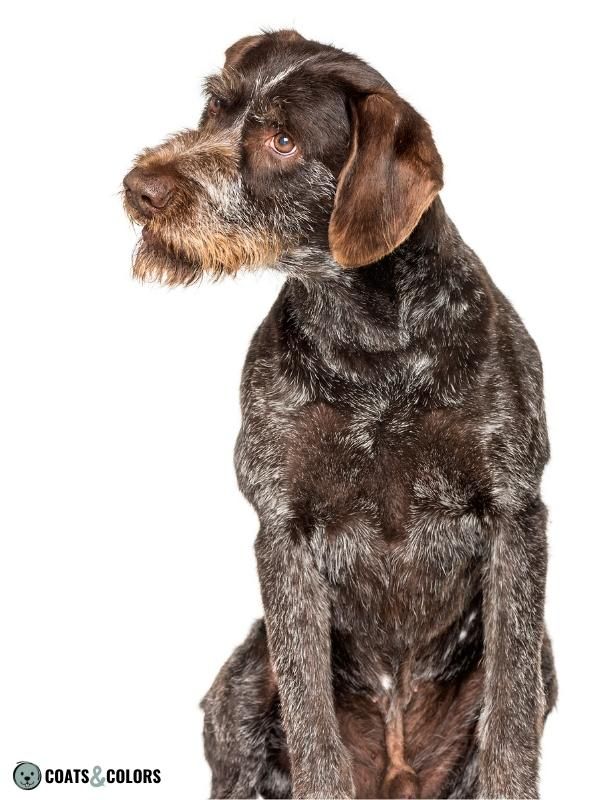
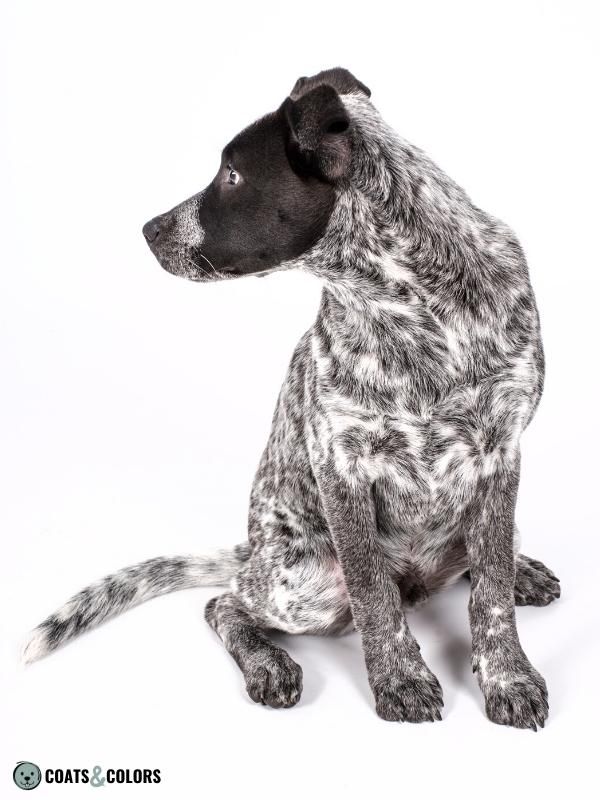
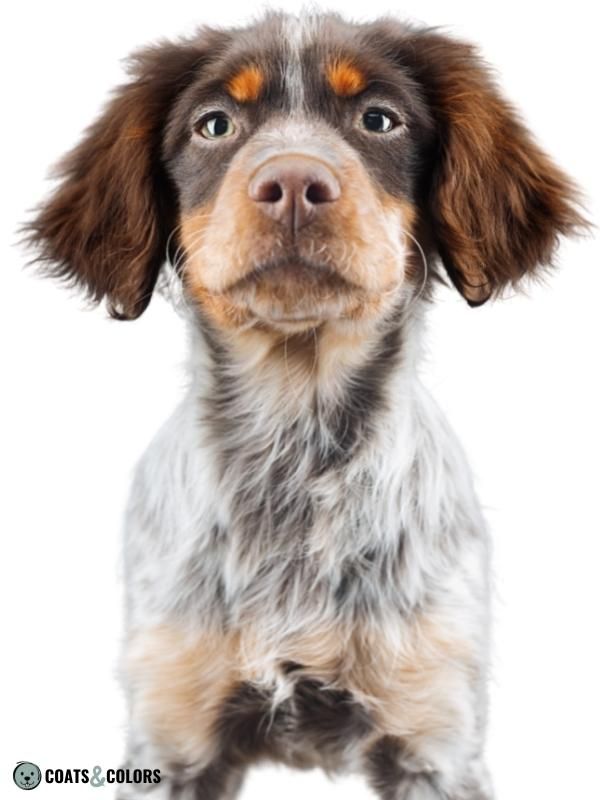
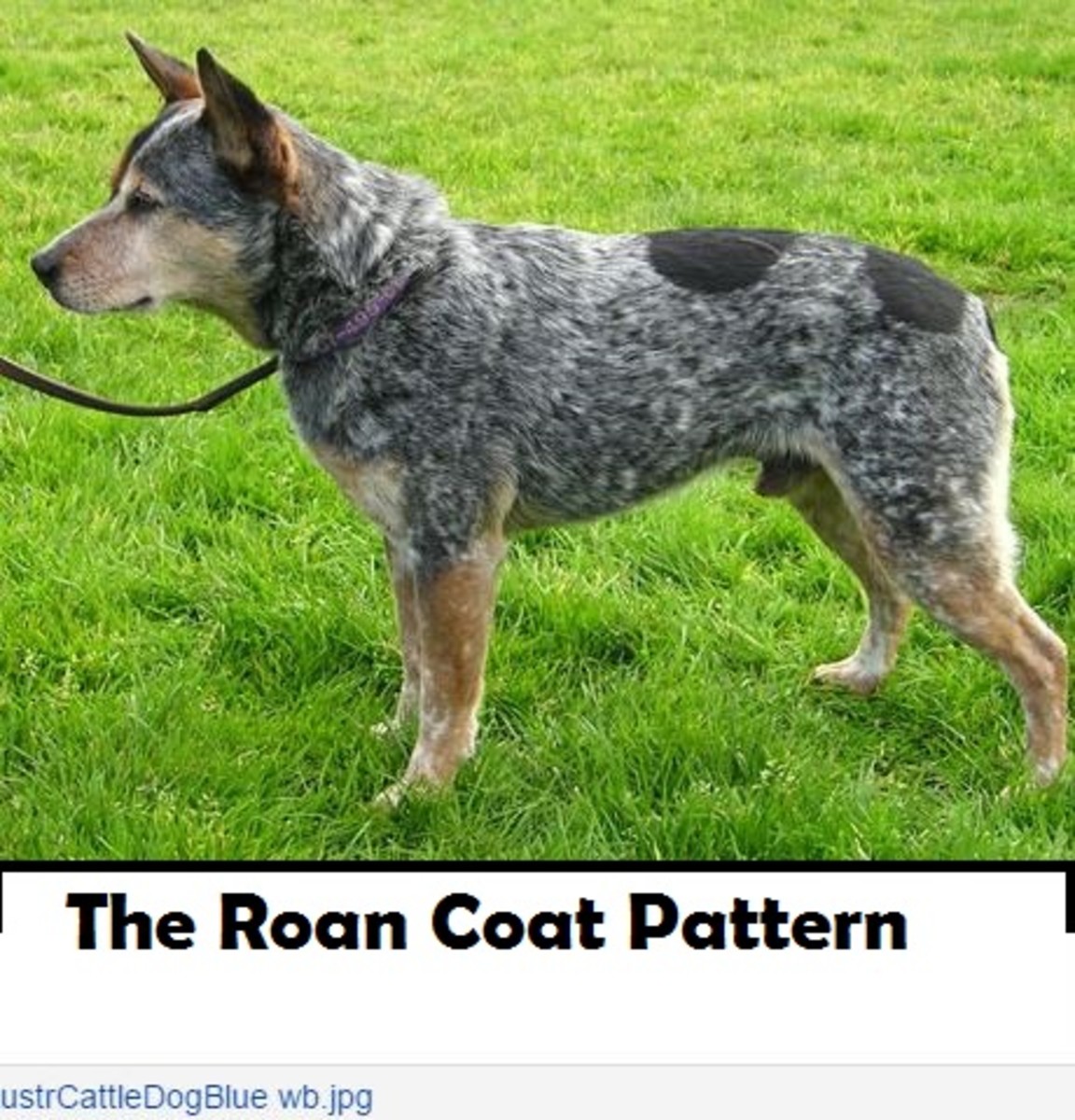
Roan Coat Pattern Dog - We have yet to produce liver roan puppies in our program, but we have a goal to provide this in the future. The profuse double coat of the nordic dog breeds ranges from the pomeranian to the alaskan malamute; Web a very dense roan pattern can create areas that will look almost as if the dog was solid or solid with white spots. This pattern is the dilute version of grizzle and the black is replaced with bluish gray or iron gray. Patterns and markings make each dog unique — dogs can inherit genes for two or more coat colors, which create intricate patterns or markings. The following are some intriguing dog coat color patterns. Web blue roan is a variant of roan that results in dogs that possess it displaying a distinctive and often very beautiful colouration that may extend across the entire coat, or take the form of ticking or another specific type of pattern. Hair length, growth and texture. Web in dogs, roan manifests itself only in unpigmented areas, the presence and shape of which are determined by other genes. It consists of a fine mixture of colored and white hairs. It consists of a fine mixture of colored and white hairs. Web roan is a speckled or mottled coat pattern in cocker spaniels. Web there are six main dog coat colors — canines come in black, brown, grey, red, white, and yellow, but there are dozens of shades within each primary color. Web the roan pattern is commonly seen on australian cattle dogs. Different versions of roan are called speckled or mottled in australian cattle dogs. This pattern is the dilute version of grizzle and the black is replaced with bluish gray or iron gray. Basically, the different colored hairs are so closely spaced that the mixture appears to be giving the impression of a blue gray or iron gray color. Web the roan coat pattern is characterized by a mottled appearance, with white hairs interspersed throughout a dog’s coat. And (c) appearance of pigmentation in white‐patterned area of coat is not present in pups before loss of birth coat. Embark scientists worked in collaboration with its citizen scientist customers to make the unique genetic discovery that the patterned coat that is known as “roaning” is strongly associated with a genomic region on chromosome 38 and likely regulated by the usherin gene (ush2a). The three dogs above are extreme examples of roan. Web coat patterning in spaniel breeds: Web a new discovery: Web a very dense roan pattern can create areas that will look almost as if the dog was solid or solid with white spots. Web among the different dog coats is the wiry covering seen on many terriers and sporting dog. A dog with a coat comprising black and white hairs is called a blue roan. Web different patterns of a dog's coat will give the average canine an exceptional look. Second in rarity to the orange roan, liver roan is the roan version of the liver brittanys, with the liver coloring ‘melting’ into the fur to create a very distinct. Web the roan pattern is commonly seen on australian cattle dogs. If you are lucky enough to have a roan lagotto romagnolo, you can enjoy observing the transformation of its coat color over time. Web liver and white brittany. Web roan is a pattern that produces heavily mottled white areas. Often only a small amount of scattered white is visible. Basically, the different colored hairs are so closely spaced that the mixture appears to be giving the impression of a blue gray or iron gray color. Different versions of roan are called speckled or mottled in australian cattle dogs. It consists of a fine mixture of colored and white hairs. The roan pattern is most often seen on doberman pinschers. Common roan variations include blue roan, liver roan, and orange roan. This dog does not carry a copy of r or r ti and has a genotype of r/r which does not result in roan or ticking in the. From sleek blacks to vibrant reds, learn about the genetics and history behind these unique traits. The long silky coats are. From sleek blacks to vibrant reds, learn about the genetics and history behind these unique traits. Discover the history and genetics behind this fascinating coloration and find out how to care for and groom a roan color dog. Web the paw print genetics r locus (roan/ticked) evaluates two markers, one linked to roan and one linked to ticking. From a. The roan pattern is most often seen on doberman pinschers and other dogs with short coats. This pattern is the dilute version of grizzle and the black is replaced with bluish gray or iron gray. Embark scientists worked in collaboration with its citizen scientist customers to make the unique genetic discovery that the patterned coat that is known as “roaning”. The following are some intriguing dog coat color patterns. Basically, the different colored hairs are so closely spaced that the mixture appears to be giving the impression of a blue gray or iron gray color. And (c) appearance of pigmentation in white‐patterned area of coat is not present in pups before loss of birth coat. The roan pattern is most. Common roan variations include blue roan, liver roan, and orange roan. A dog with a coat comprising black and white hairs is called a blue roan. The hair shafts are uniform in color, but the tips may be darker or lighter than the base color. Different versions of roan are called speckled or mottled in australian cattle dogs. Web coat. A dog with a coat comprising black and white hairs is called a blue roan. Discover the history and genetics behind this fascinating coloration and find out how to care for and groom a roan color dog. Depending upon the breed, a particolor is a dog that has patches of two or more colors, or that has any color or. Second in rarity to the orange roan, liver roan is the roan version of the liver brittanys, with the liver coloring ‘melting’ into the fur to create a very distinct coat color. Web liver and white brittany. Web among the different dog coats is the wiry covering seen on many terriers and sporting dog breeds. The profuse double coat of the nordic dog breeds ranges from the pomeranian to the alaskan malamute; The image demonstrates a disparity in ticked phenotype between pups and their dam (images under license from istockphoto.com). The hair shafts are uniform in color, but the tips may be darker or lighter than the base color. Basically, the different colored hairs are so closely spaced that the mixture appears to be giving the impression of a blue gray or iron gray color. Often only a small amount of scattered white is visible.” roan puppies are born with a white base coat. From a couple of feet away, the mixture of hairs will appear to blend to make the coat look like it. A dog with a coat comprising black and white hairs is called a blue roan. Embark scientists worked in collaboration with its citizen scientist customers to make the unique genetic discovery that the patterned coat that is known as “roaning” is strongly associated with a genomic region on chromosome 38 and likely regulated by the usherin gene (ush2a). Basically, the different colored hairs are so closely spaced that the mixture appears to be giving the impression of a blue gray or iron gray color. Web the paw print genetics r locus (roan/ticked) evaluates two markers, one linked to roan and one linked to ticking. Web learn all about the roan color dog, including its unique coat pattern and the breeds that commonly exhibit this trait. A deeper look at the roan coat colour. Select a breed coat color calculator.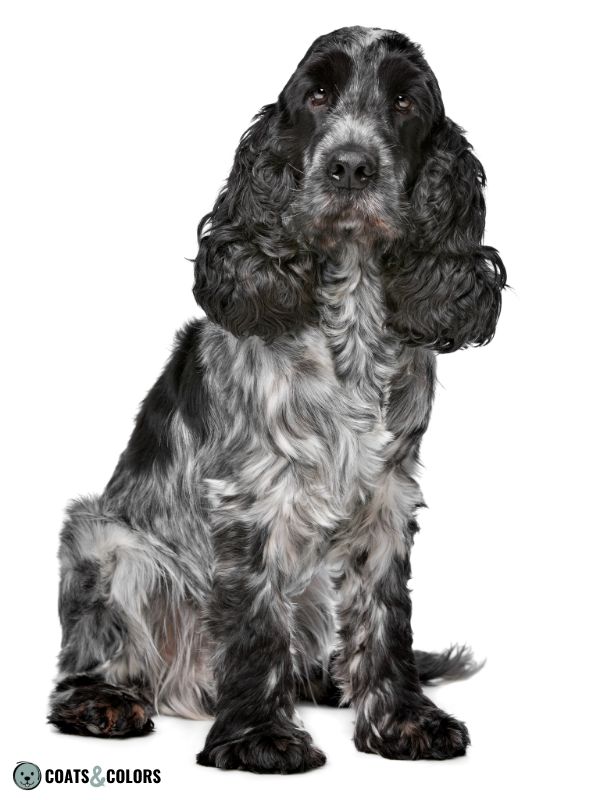
Ticking, Spots and Roan Coats and Colors
Ticking, Spots and Roan Coats and Colors
Ticking, Spots and Roan Coats and Colors
Ticking, Spots and Roan Coats and Colors
Ticking, Spots and Roan Coats and Colors
Ticking, Spots and Roan Coats and Colors

Ticking, Spots and Roan Coats and Colors
Ticking, Spots and Roan Coats and Colors
Seven Fascinating Dog Coat Color Patterns Dog Discoveries

Chocolate Roan Cockapoo Colorful coat, Color, Coat
Web Our Favorite Site On Coat Genetics Writes That, “ Roan Is A Pattern That Produces Heavily Mottled White Areas.
Depending Upon The Breed, A Particolor Is A Dog That Has Patches Of Two Or More Colors, Or That Has Any Color Or Pattern Combined With White.
This Dog Does Not Carry A Copy Of R Or R Ti And Has A Genotype Of R/R Which Does Not Result In Roan Or Ticking In The.
Patterns And Markings Make Each Dog Unique — Dogs Can Inherit Genes For Two Or More Coat Colors, Which Create Intricate Patterns Or Markings.
Related Post: