
Running Bond Brick Pattern
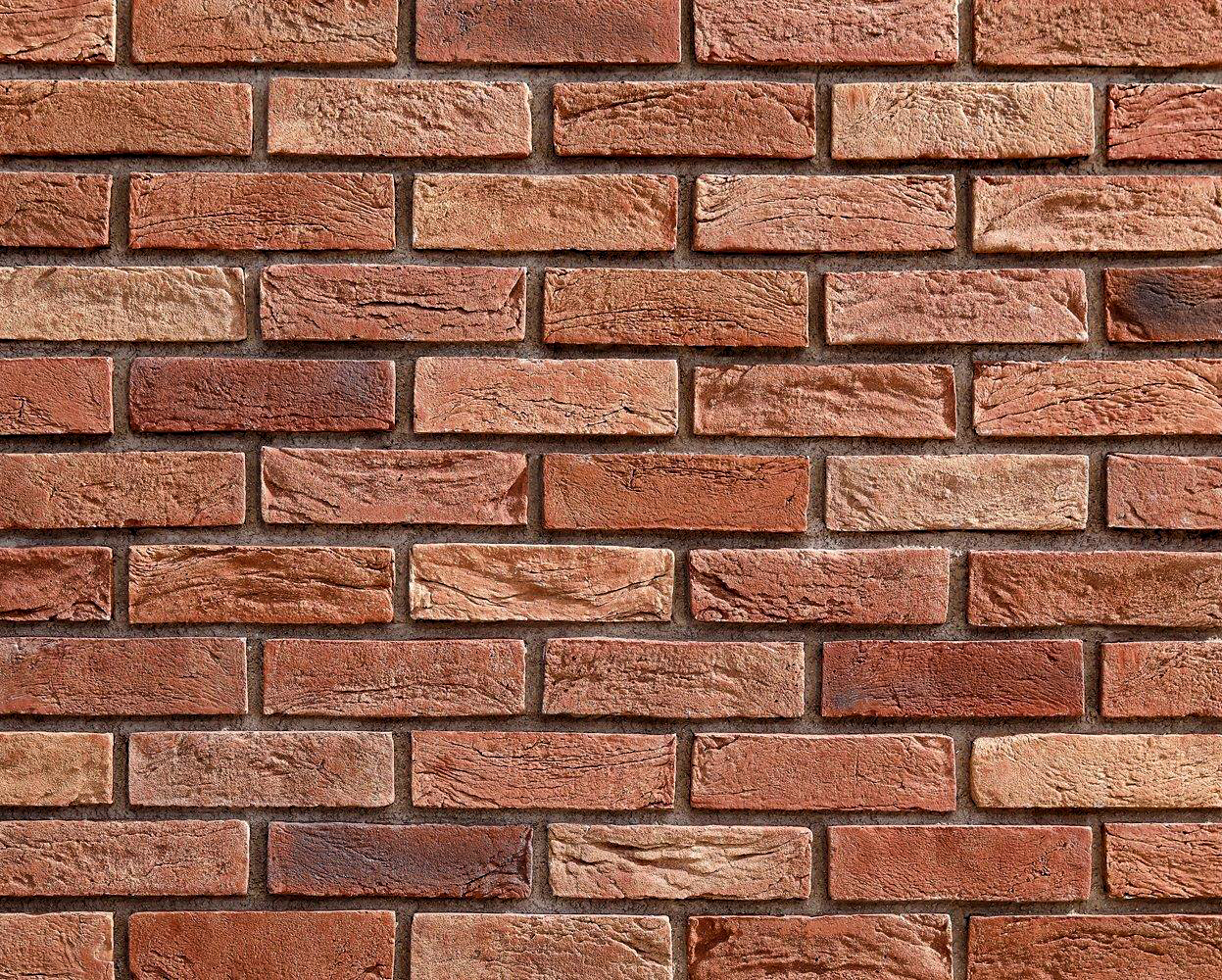
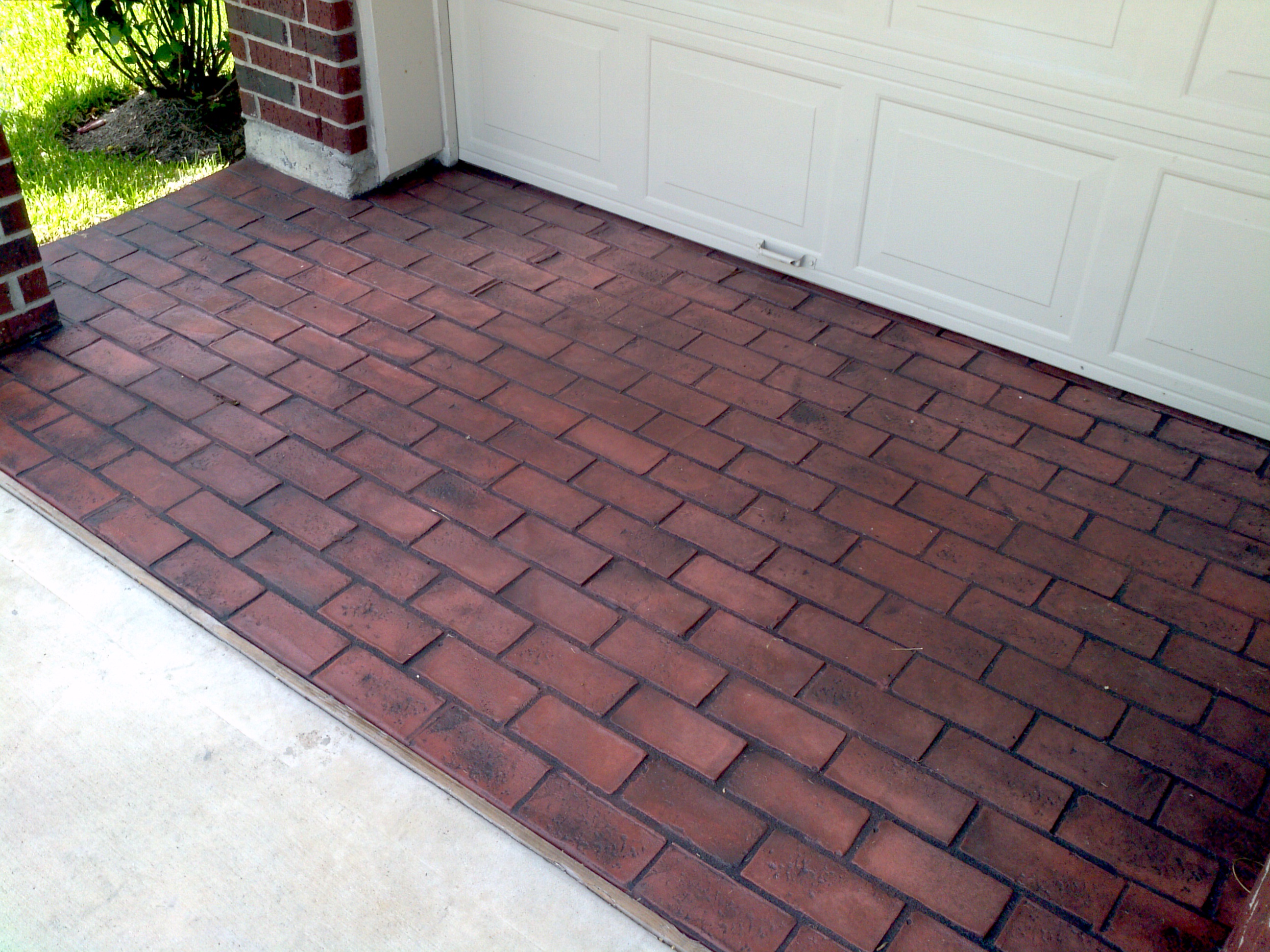
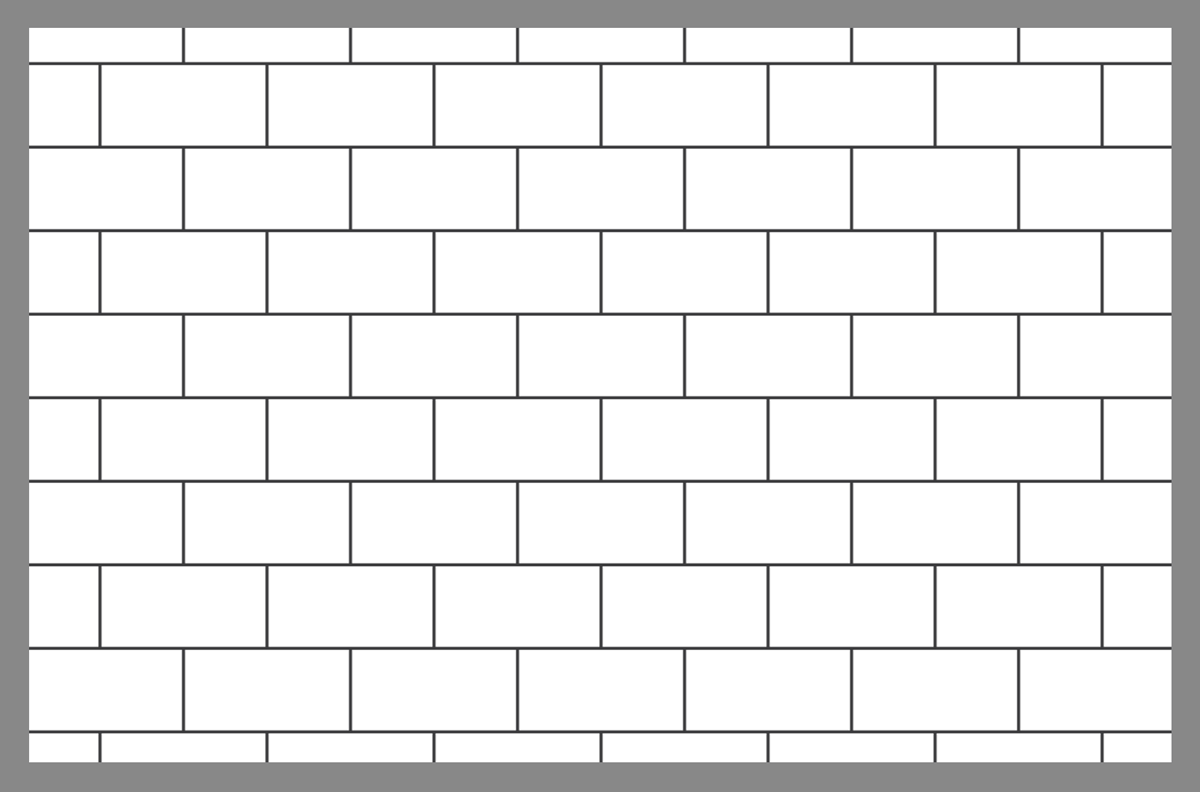
Running Bond Brick Pattern - The running bond is the most used bond and is composed of stretchers offset by 1/2 brick per course. Web the running bond pattern is also known for it’s strength and durability, making it a practical choice for outdoor applications. All the bricks are laid lengthwise with their long sides facing out. It is often used where the width of the unit is half the length (i.e. All bricks are laid lengthwise, with the long sides, or stretchers facing out. Web also known as a running bond, this common brickwork pattern has each tile start at the center of the tile below it. In this design, the bricks are laid on edge in courses, with the joints staggered in the middle of the bricks in the course before it. The third row shifts back and aligns with the first. It is employed with ease in a reinforced concrete frame structure. It is often used in cavity wall construction reinforced with metal ties back to the main structural wall. This is one of the most classic patterns when using rectagular tile and is very popular in kitchens, bathrooms, and on fireplaces. 8” long x 4” wide), allowing ease of use on corners. The seams are staggered by half of a brick. This bond provides aesthetics and ensures stability. Web the running bond pattern is also known for it’s strength and durability, making it a practical choice for outdoor applications. Web running bond pavers are one of the most durable and sturdy patterns you could use, which provides longevity for your investment. Web by using a wide variety of material such as natural stone, brick, and concrete, you can create a durable running bond pattern surface for outdoor flooring that will outlast heavy foot traffic — and in some cases, vehicle traffic. A simple, structural bond is used for basic wall construction. As very minimal cutting is needed, just straight edges, running bonds suit novice bricklayers. This pattern can easily accommodate light curves, making running bonds excellent for pathways and patios. This pattern can easily accommodate light curves, making running bonds excellent for pathways and patios. Web one of the most economic brick bonds to opt for your project, brick bonds laid horizontally. Proline offers a traditional used brick size of 4 x 8 in this running bond pattern. This bond provides aesthetics and ensures stability. The running bond is the. It's an equally good choice for paving, but it requires more cuts than some of the other patterns. All the bricks are laid lengthwise with their long sides facing out. This is a clean and classic layout for subway tiles on walls and floors. Another common brick laying pattern is the herringbone pattern. Web running bond brick patterns are the. When you think of masonry, most might think of the historically iconic staggered brick pattern. Web one of the most economic brick bonds to opt for your project, brick bonds laid horizontally. 8” long x 4” wide), allowing ease of use on corners. It's an equally good choice for paving, but it requires more cuts than some of the other. It is also known as a running bond. It is employed with ease in a reinforced concrete frame structure. It’s simple and straightforward even if it isn’t fancy. Web there are number of traditional bond patterns used for both functional and aesthetic purposes. Web running bond pavers are one of the most durable and sturdy patterns you could use, which. Web the running bond is the most common type of brick pattern, one seen in walls and buildings all over the globe. This bond provides aesthetics and ensures stability. Another common brick laying pattern is the herringbone pattern. Web a 1/3 running bond pattern offsets the second row of brick by 1/3 width of brick. This is one of the. We also offer the same size brick in a herringbone and basketweave pattern. Historically, the running bond pattern has been the most utilized. The third row shifts back and aligns with the first. Below are some examples of how to do this, including protruding hit and miss brickwork, corbelling and protruding bricks. When you think of masonry, most might think. A simple, structural bond is used for basic wall construction. As very minimal cutting is needed, just straight edges, running bonds suit novice bricklayers. All the bricks are laid lengthwise with their long sides facing out. Structurally it offers plenty of strength to the wall. It’s simple and straightforward even if it isn’t fancy. The running bond is the most used bond and is composed of stretchers offset by 1/2 brick per course. It’s simple and straightforward even if it isn’t fancy. The seams are staggered by half of a brick. We also offer the same size brick in a herringbone and basketweave pattern. This bond provides aesthetics and ensures stability. It's an equally good choice for paving, but it requires more cuts than some of the other patterns. A stack bond pattern is where all the masonry units are laid with all vertical joints aligned create a grid pattern in appearance. Proline offers a traditional used brick size of 4 x 8 in this running bond pattern. This is a. Structurally it offers plenty of strength to the wall. The seams are staggered by half of a brick. Proline offers a traditional used brick size of 4 x 8 in this running bond pattern. Web the running bond pattern is also known for it’s strength and durability, making it a practical choice for outdoor applications. All bricks are laid lengthwise,. A simple, structural bond is used for basic wall construction. It is employed with ease in a reinforced concrete frame structure. Web also known as a running bond, this common brickwork pattern has each tile start at the center of the tile below it. Web running bond brick patterns are the most common overall, and they’re popular for walkways. Another common brick laying pattern is the herringbone pattern. Bricks must be cut in every other row. The running bond is the most used bond and is composed of stretchers offset by 1/2 brick per course. 8” long x 4” wide), allowing ease of use on corners. When you think of masonry, most might think of the historically iconic staggered brick pattern. This is one of the most classic patterns when using rectagular tile and is very popular in kitchens, bathrooms, and on fireplaces. 1/3rd running bond is typically used where the unit width. Web a running bond pattern is brick with the joints in each row centered on the bricks in the row below. Web one of the most economic brick bonds to opt for your project, brick bonds laid horizontally. All the bricks are laid lengthwise with their long sides facing out. Web the running bond, also known as the stretcher bond, is a type of brick bond that is characterized by its simple, repetitive pattern. The third row shifts back and aligns with the first.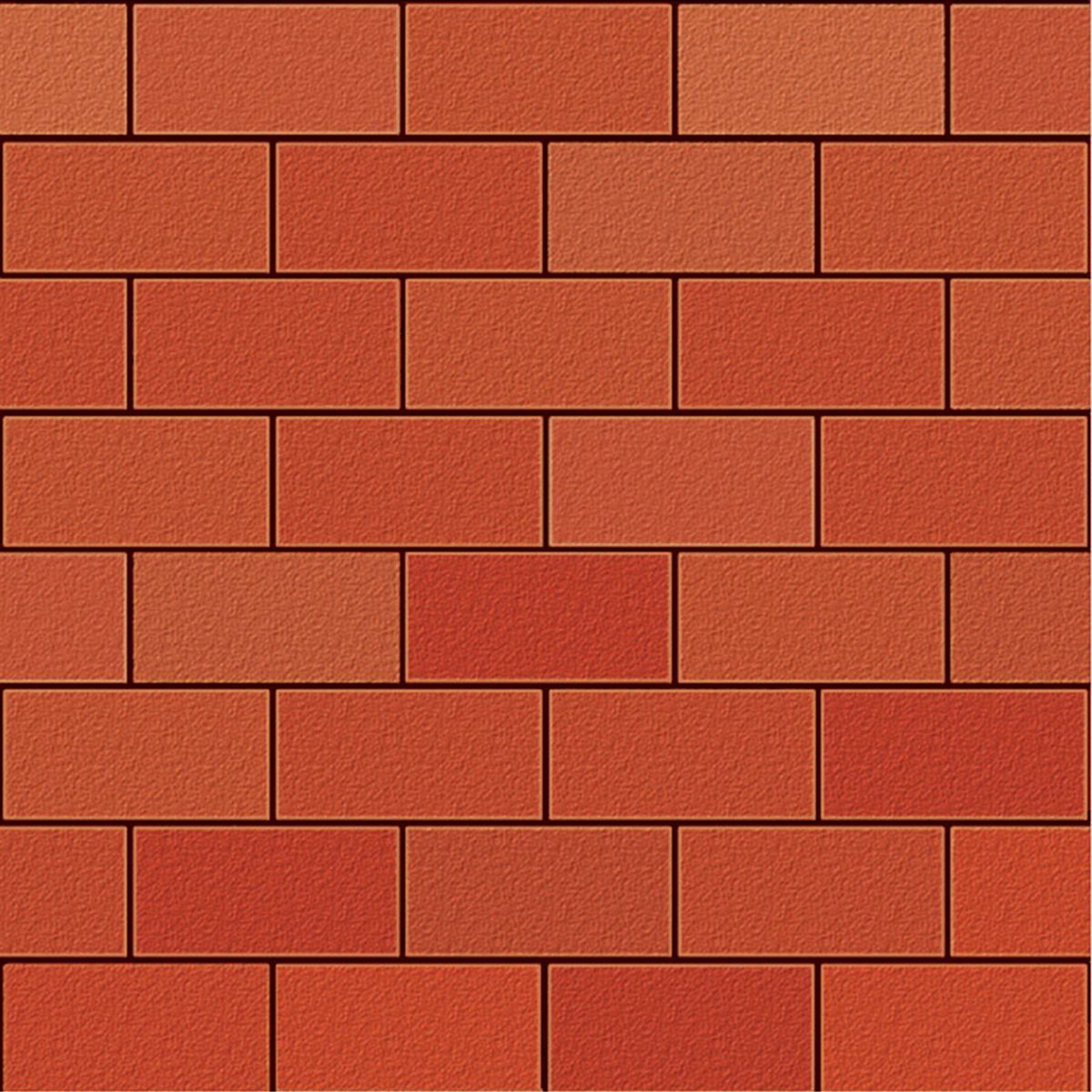
A Simple Guide to Brick Patterns This Old House

Running Bond New Brick // Brick Patterns
Common Brick Laying Patterns
Patterns Stone Pattern Paving
/masonry-brick-bond-common-types-2736655-cf1ec5c2e3fe46ad83252d6dbb551a20.png)
Common Types of Brick Bonds Used in Masonry
a runningbondtilepattern Byrd Tile
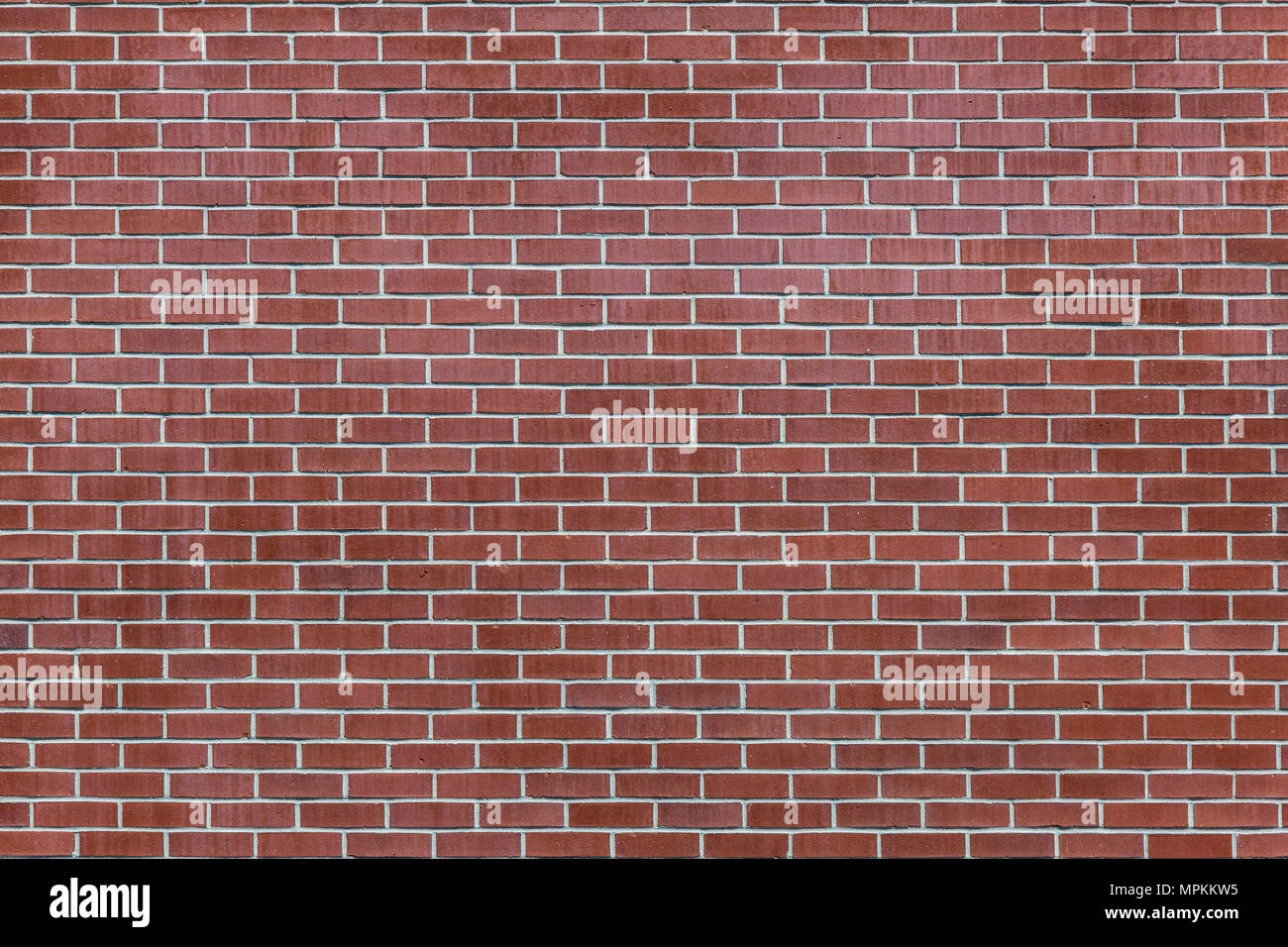
Red brick wall with running bond pattern Stock Photo Alamy
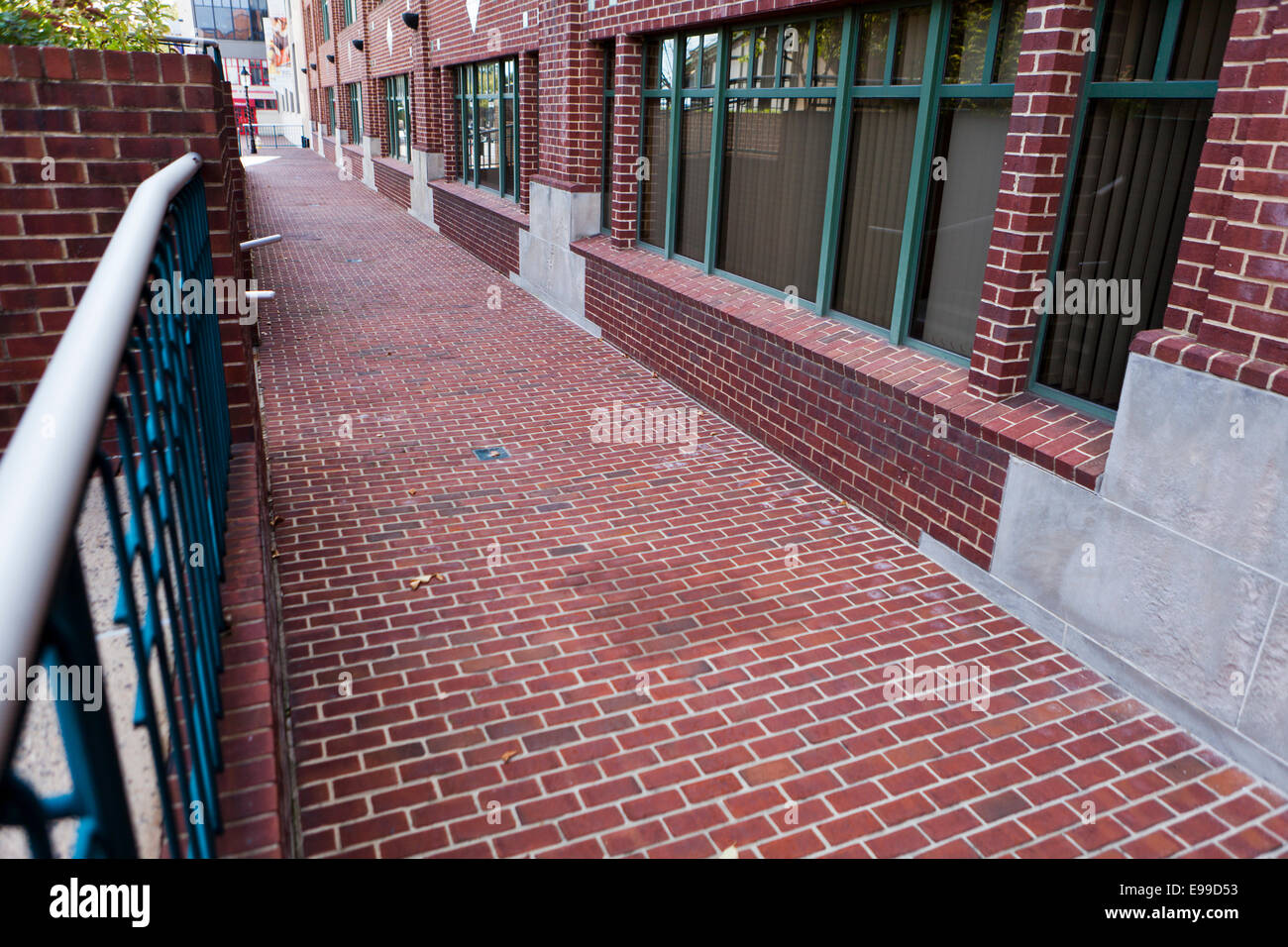
Brick walkway with running bond pattern USA Stock Photo Alamy

Exterior Brick Paving in Running Bond Pattern, Viewed on a Diagonal
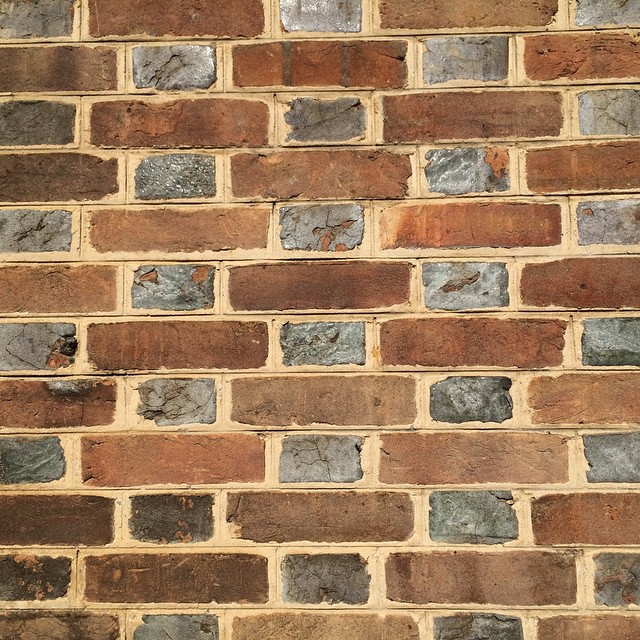
Flemish running bond. Best brick pattern ever. Flickr Photo Sharing!
All Bricks Are Laid Lengthwise, With The Long Sides, Or Stretchers Facing Out.
Historically, The Running Bond Pattern Has Been The Most Utilized.
In This Design, The Bricks Are Laid On Edge In Courses, With The Joints Staggered In The Middle Of The Bricks In The Course Before It.
It's An Equally Good Choice For Paving, But It Requires More Cuts Than Some Of The Other Patterns.
Related Post: