
Sacroiliac Joint Referred Pain Patterns
Sacroiliac Joint Referred Pain Patterns - Web the sacroiliac joint is the joint connection between the spine and the pelvis. There are no clear diagnostic or. Pain referred from the sacroiliac joint (sij) may originate in the joint's posterior ligamentous region. The variable patterns of pain referral observed may arise for. Web sacroiliac (si) joint dysfunction describes pain due to abnormal movement (too much or too little) or misalignment of the si joint. The diagnostic tool known as the fortin finger test involves the patient pinpointing the psis (posterior. Pain of spinal origin is a major diagnostic challenge for clinicians treating chronic low back pain (lbp). The variable patterns of pain referral observed may arise for several reasons, including the joint’s complex innervation, sclerotomal pain. The site of referred pain may depend on which sij section is. Web accurate diagnosis of sacroiliac joint (sij) pain is challenging. Web pain referral from the sacroiliac joint does not appear to be limited to the lumbar region and buttock. Nevertheless, there is considerable overlap in referral areas, although the pain has been. Web sacroiliac joint dysfunction can trigger both localized and referred pain. Web sacroiliac (si) joint dysfunction is a common cause of low back pain and accurate diagnosis can be challenging. Web the variable patterns of pain referral observed may arise for several reasons, including the joint's complex innervation, sclerotomal pain referral, irritation of adjacent structures,. Web the sacroiliac joint is the joint connection between the spine and the pelvis. The variable patterns of pain referral observed may arise for. When the sacroiliac joints become inflamed or irritated, it can cause lower back pain and stiffness. Explore your optionsfind a doctor near youask a nurseminimally invasive The variable patterns of pain referral observed may arise for several reasons, including the joint’s complex innervation, sclerotomal pain. If numbness and tingling or weakness is present, an. The constellation of symptoms attributed to. Web accurate diagnosis of sacroiliac joint (sij) pain is challenging. Web the sacroiliac joint is the joint connection between the spine and the pelvis. Web pain referral from the sacroiliac joint does not appear to be limited to the lumbar region and buttock. The sacroiliac joint (sij) has been estimated to contribute to pain in as much as 38% of cases of lower back pain. Web sacroiliac joint dysfunction can trigger both localized and referred pain. Web sacroiliac joint (sij) pain refers to the pain arising from the sij joint structures. When the sacroiliac joints become inflamed or irritated, it can cause lower. Explore your optionsfind a doctor near youask a nurseminimally invasive Diagnosis can be aided by pain referral patterns, historical features, physical examination. A complete history and physical examination are critical in. Web pain referral from the sacroiliac joint does not appear to be limited to the lumbar region and buttock. It is a large diarthrodial joint [6] made up of. Pain of spinal origin is a major diagnostic challenge for clinicians treating chronic low back pain (lbp). Web ed to the lumbar region and buttock. It can cause sharp, stabbing pain. Web accurate diagnosis of sacroiliac joint (sij) pain is challenging. The diagnostic tool known as the fortin finger test involves the patient pinpointing the psis (posterior. Web sacroiliac joint (sij) pain refers to the pain arising from the sij joint structures. The site of referred pain may depend on which sij section is. Web the variable patterns of pain referral observed may arise for several reasons, including the joint's complex innervation, sclerotomal pain referral, irritation of adjacent structures,. If numbness and tingling or weakness is present,. The variable patterns of pain referral observed may arise for several reasons, including the joint’s complex innervation, sclerotomal pain. It is a large diarthrodial joint [6] made up of the sacrum and the innominates on each side. Web pain originating from the sacroiliac joint is likely more common than most providers realize due to difficulty in localizing symptoms and referred. The variable patterns of pain referral observed may arise for several reasons, including the joint’s complex innervation, sclerotomal pain. The diagnostic tool known as the fortin finger test involves the patient pinpointing the psis (posterior. Web sacroiliac joint (sij) pain refers to the pain arising from the sij joint structures. Pain of spinal origin is a major diagnostic challenge for. Web the variable patterns of pain referral observed may arise for several reasons, including the joint's complex innervation, sclerotomal pain referral, irritation of adjacent structures,. The variable patterns of pain referral observed may arise for several reasons, including the joint’s complex innervation, sclerotomal pain. Web sacroiliac (si) joint dysfunction describes pain due to abnormal movement (too much or too little). This is known as sacroiliitis. It is a large diarthrodial joint [6] made up of the sacrum and the innominates on each side. Sij dysfunction generally refers to aberrant position or movement of sij structures that may. The constellation of symptoms attributed to. Web referred pain from the sacroiliac joint mainly distributes to the lower back and buttocks, in addition. It is a large diarthrodial joint [6] made up of the sacrum and the innominates on each side. Web sacroiliac joint (sij) pain refers to the pain arising from the sij joint structures. Web pain referral from the sacroiliac joint does not appear to be limited to the lumbar region and buttock. Web sacroiliac (si) joint dysfunction is a common. Web sacroiliac (si) joint dysfunction is a common cause of low back pain and accurate diagnosis can be challenging. Diagnosis can be aided by pain referral patterns, historical features, physical examination. The variable patterns of pain referral observed may arise for. Sij dysfunction generally refers to aberrant position or movement of sij structures that may. Web ed to the lumbar region and buttock. Pain of spinal origin is a major diagnostic challenge for clinicians treating chronic low back pain (lbp). The site of referred pain may depend on which sij section is. It can cause sharp, stabbing pain. If numbness and tingling or weakness is present, an. Web pain referral from the sacroiliac joint does not appear to be limited to the lumbar region and buttock. The sacroiliac joint (sij) has been estimated to contribute to pain in as much as 38% of cases of lower back pain. It is a large diarthrodial joint [6] made up of the sacrum and the innominates on each side. Nevertheless, there is considerable overlap in referral areas, although the pain has been. Web sacroiliac (si) joint dysfunction describes pain due to abnormal movement (too much or too little) or misalignment of the si joint. Web referred pain from the sacroiliac joint mainly distributes to the lower back and buttocks, in addition to the thigh, groin, leg, and even foot (31, 53, 54). Learn more about the symptoms, causes, and treatment of si joint pain.
Pin on SI Joint & Sciatic Nerve (NOT the same)
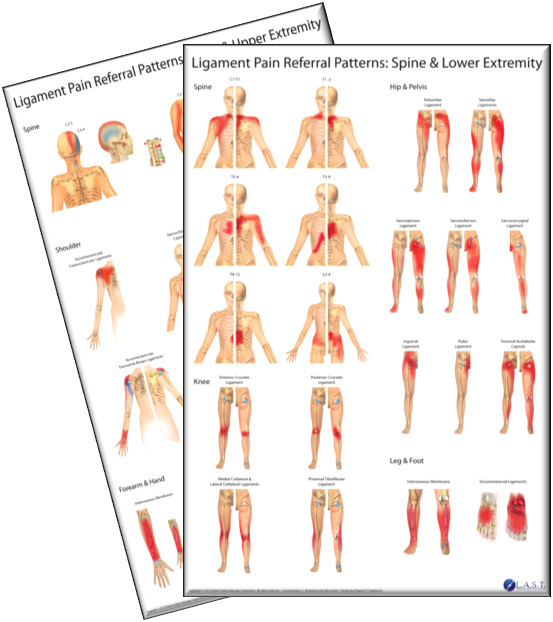
Sacroiliac Joint Referred Pain

Pain referral from the sacroiliac joint. Van der Wurff et al., 2006 [33
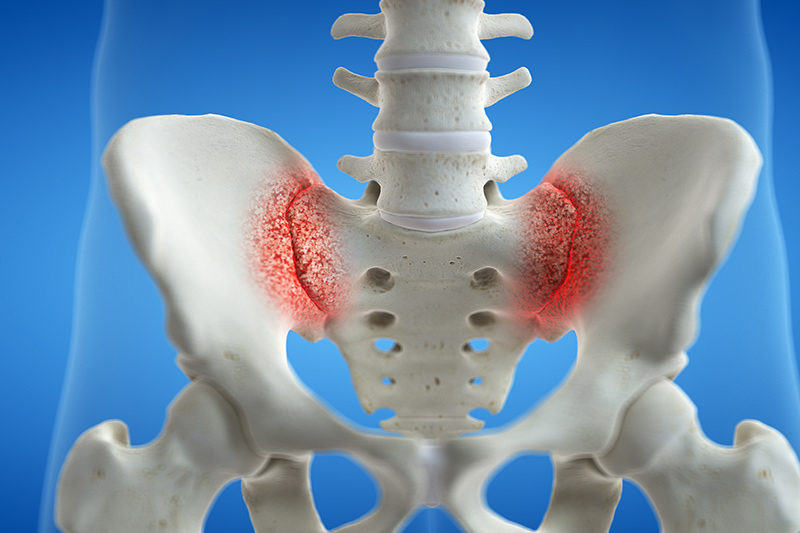
Sacroilliac (SI) Joint Pain The Orthopedic Pain Institute, Beverly

Typical Pain Referral Pattern Of Sacroiliac Joint Pai vrogue.co

Si Joint Pain Referral Patterns
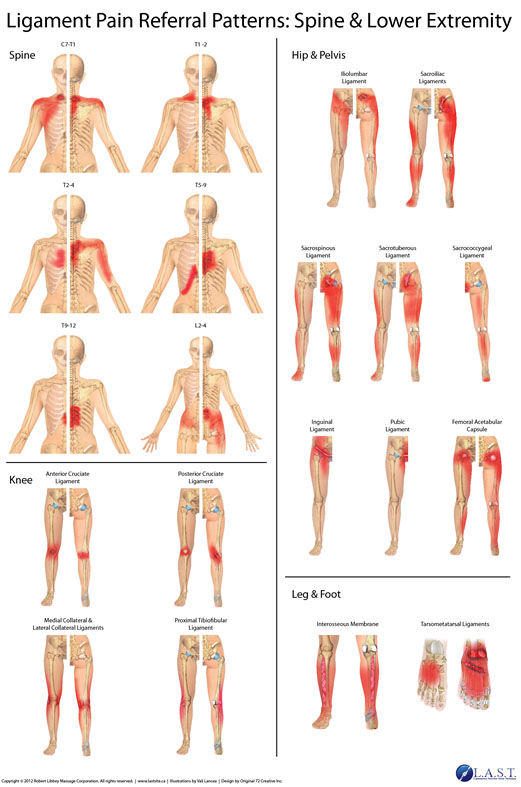
Shoulder Pain Referral Patterns are Reported in This Study LASTechnique
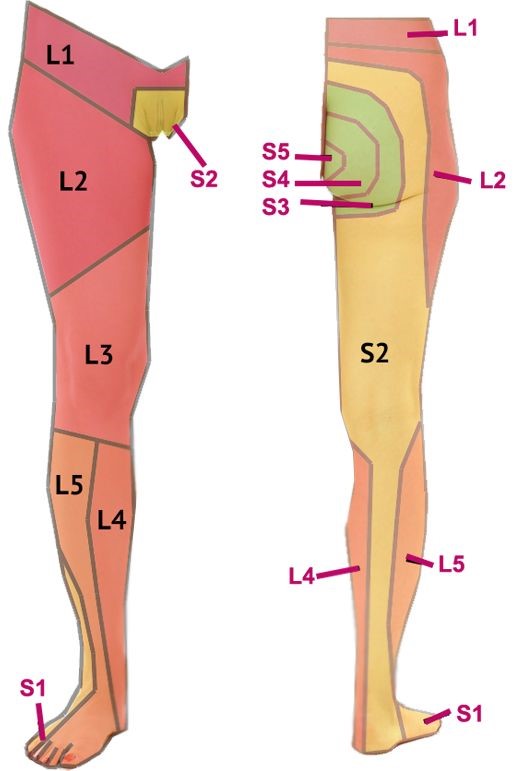
The Referral Patterns of the Sacroiliac Joint, Facet Joints, and
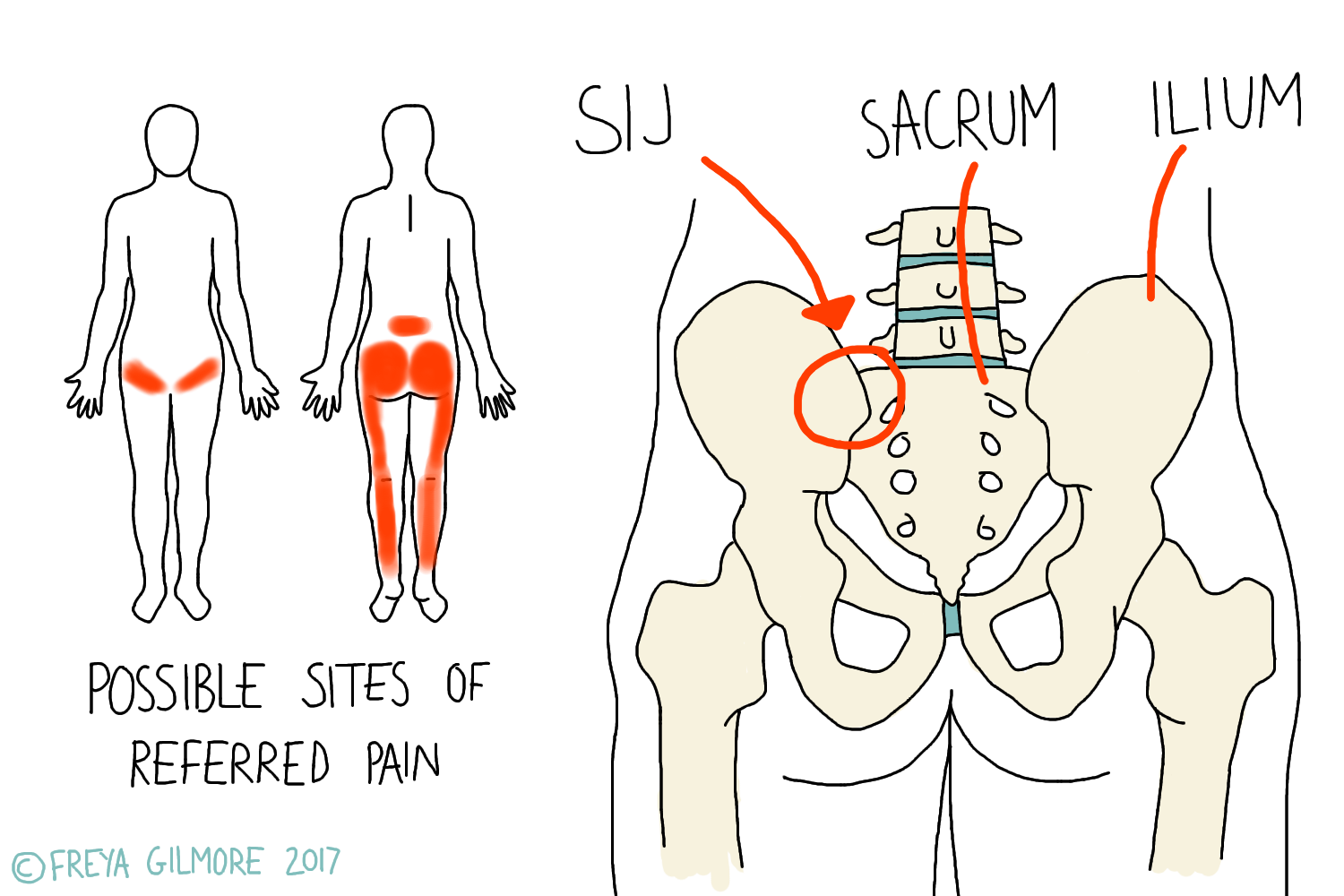
The Sacroiliac Joint (SIJ) Beth Forrest Osteopathy

Typical pain referral pattern of sacroiliac joint pain (illustration
Web Pain Originating From The Sacroiliac Joint Is Likely More Common Than Most Providers Realize Due To Difficulty In Localizing Symptoms And Referred Pain Patterns.
Web Sacroiliac Joint Dysfunction Can Trigger Both Localized And Referred Pain.
The Constellation Of Symptoms Attributed To.
Pain Referred From The Sacroiliac Joint (Sij) May Originate In The Joint's Posterior Ligamentous Region.
Related Post: