
Speckled Ana Pattern Hashimotos
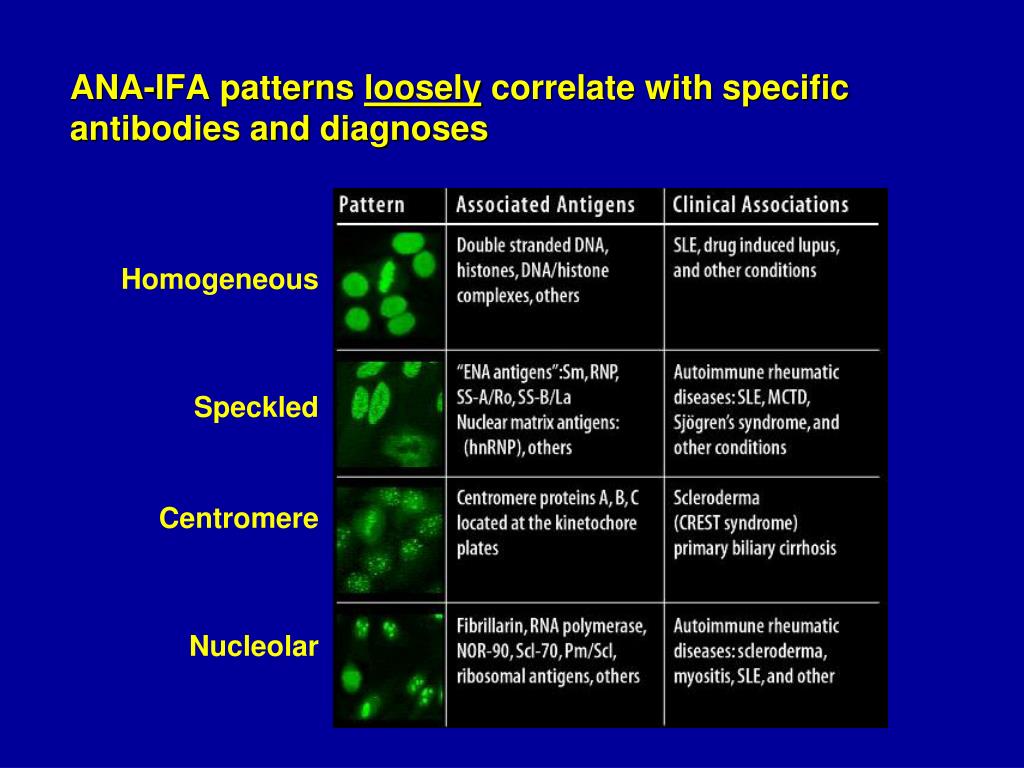
Speckled Ana Pattern Hashimotos - Thyroid antibodies were detected in 30% of the patients. Below is a summary of the patterns discussed: Web antinuclear antibodies (ana) are primarily significant in the diagnosis of systemic connective tissue diseases. Specific ana patterns are associated with higher levels of proteins that become activated in active sle. A speckled pattern may indicate various diseases, including lupus and sjögren’s syndrome. It’s also called an ana or fana (fluorescent antinuclear antibody) test. Thyroid antibodies were detected in 30% of the patients. Web ana patterns can be associated with different autoimmune conditions. Immunologic abnormalities, especially the production of a number of antinuclear antibodies (ana), are a prominent feature of the disease. And in limited scleroderma (i.e., crest syndrome [calcinosis, raynaud phenomenon. The fluorescence patterns were interpreted as fine speckled, coarse speckled, homogeneous, peripheral, centromeric, nucleolar, and cytoplasmic patterns. It’s also called an ana or fana (fluorescent antinuclear antibody) test. Ana pattern is most commonly speckled, followed by centromeric and less commonly. The relationship between their occurrence in allergic diseases is poorly documented. Web in sjögren syndrome there will often be a speckled pattern; Web what is the ana test? However, the mechanism of allergic and autoimmune diseases has a common thread. Another pattern, known as a nucleolar pattern, is common in people with scleroderma. Specific ana patterns are associated with higher levels of proteins that become activated in active sle. Web antinuclear antibodies (ana) are primarily significant in the diagnosis of systemic connective tissue diseases. This pattern is almost exclusive to systemic lupus. A speckled pattern is also found in lupus. A speckled pattern may indicate various diseases, including lupus and sjögren’s syndrome. Web systemic lupus erythematosus (sle) is a chronic autoimmune disease of unknown cause that can affect virtually any organ of the body. Clinicians should be aware of the type of assay used. The relationship between their occurrence in allergic diseases is poorly documented. A speckled staining pattern means fine, coarse speckles of ana are present throughout the nucleus. Web the ana pattern was speckled in 60% of the patients. 1) the titre, and 2) the pattern. Web an antinuclear antibody test is a blood test that looks for certain kinds of antibodies. A speckled pattern may indicate various diseases, including lupus and sjögren’s syndrome. It’s also called an ana or fana (fluorescent antinuclear antibody) test. Immunologic abnormalities, especially the production of a number of antinuclear antibodies (ana), are a prominent feature of the disease. A speckled staining pattern means fine, coarse speckles of ana are present throughout the nucleus. Web the ana. However, the mechanism of allergic and autoimmune diseases has a common thread. Within each of these categories, individual patterns will be defined and autoantibodies that produce the. Web ana is a widely accepted test. A speckled pattern is also found in lupus. Thyroid antibodies were detected in 30% of the patients. Web a titer of 1: Of these children, 14% had hypothyroidism. However, the mechanism of allergic and autoimmune diseases has a common thread. Web ana patterns can be associated with different autoimmune conditions. Hyperthyroidism (overactive thyroid) (beyond the basics) and patient education: 1) the titre, and 2) the pattern. Web a peripheral pattern indicates that fluorescence occurs at the edges of the nucleus in a shaggy appearance; Web in this article, we’ll describe hashimoto’s thyroiditis, explain how it may be connected to lupus, and consider what a positive ana test may mean for you if you have one or both of these. This pattern is almost exclusive to systemic lupus. Web ana patterns can be associated with different autoimmune conditions. Web an antinuclear antibody test is a blood test that looks for certain kinds of antibodies in your body. Below is a summary of the patterns discussed: And in limited scleroderma (i.e., crest syndrome [calcinosis, raynaud phenomenon. 80 or higher was considered to indicate ana positivity. Web the ana pattern was speckled in 60% of the patients. Below is a summary of the patterns discussed: Common ana pattern is speckled; Thyroid antibodies were detected in 30% of the patients. Immunologic abnormalities, especially the production of a number of antinuclear antibodies (ana), are a prominent feature of the disease. Clinicians should be aware of the type of assay used for antinuclear antibody detection and the advantages and disadvantages of using immunofluorescence (iif) assays and solid phase. Thyroid antibodies were detected in 30% of the patients. Of these children, 14% had. Web the ana test gives two types of results: Web a titer of 1: In scleroderma there will be a nucleolar pattern; Hypothyroidism (underactive thyroid) (beyond the basics)) These patterns can range from homogenous to speckled, and each carries its own significance in terms of potential autoimmune conditions. The fluorescence patterns were interpreted as fine speckled, coarse speckled, homogeneous, peripheral, centromeric, nucleolar, and cytoplasmic patterns. Web the ana pattern was speckled in 60% of the patients. Web this topic review will cover the three broad categories of ana staining patterns: It’s also called an ana or fana (fluorescent antinuclear antibody) test. Web a peripheral pattern indicates that fluorescence occurs at the edges of the nucleus in a shaggy appearance; These patterns can range from homogenous to speckled, and each carries its own significance in terms of potential autoimmune conditions. Web a titer of 1: Web the ana test gives two types of results: Clinicians should be aware of the type of assay used for antinuclear antibody detection and the advantages and disadvantages of using immunofluorescence (iif) assays and solid phase. Specific ana patterns are associated with higher levels of proteins that become activated in active sle. The relationship between their occurrence in allergic diseases is poorly documented. Thyroid antibodies were detected in 30% of the patients. And in limited scleroderma (i.e., crest syndrome [calcinosis, raynaud phenomenon. Immunologic abnormalities, especially the production of a number of antinuclear antibodies (ana), are a prominent feature of the disease. A speckled pattern may indicate various diseases, including lupus and sjögren’s syndrome. Web researchers have found that peripheral, speckled, and mixed staining ana patterns in individuals with sle may have a higher likelihood of being associated with severe disease and organ damage.
ANA Patterns

Ana With Speckled Pattern Chumado
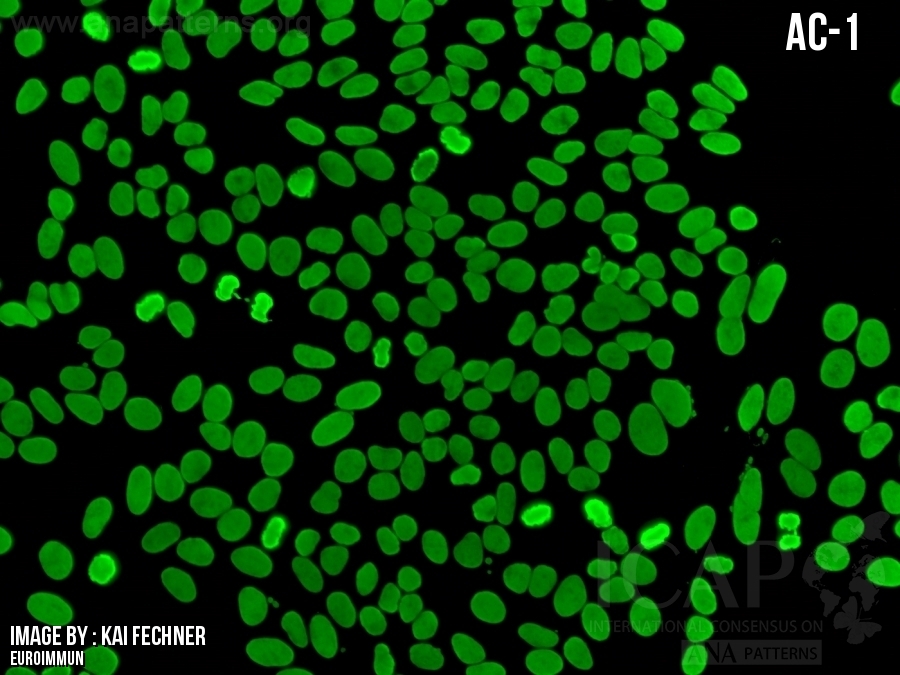
ANA Patterns
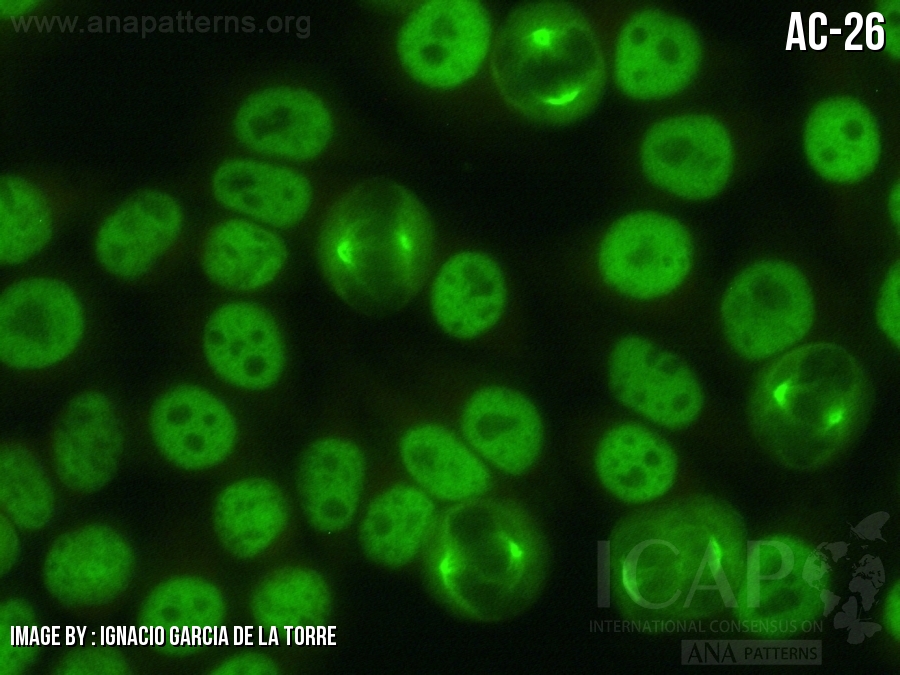
ANA Patterns
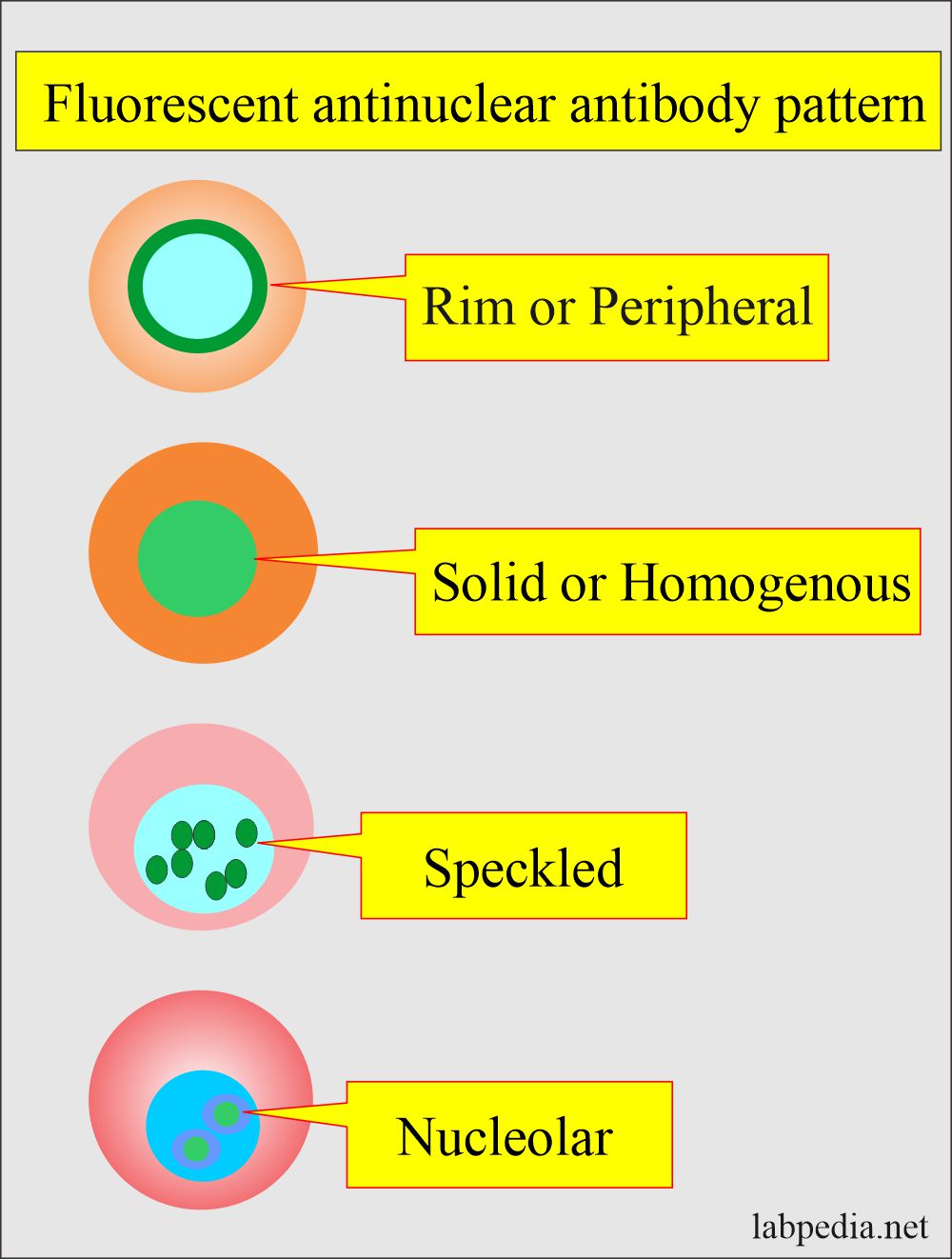
Ana Color Chart
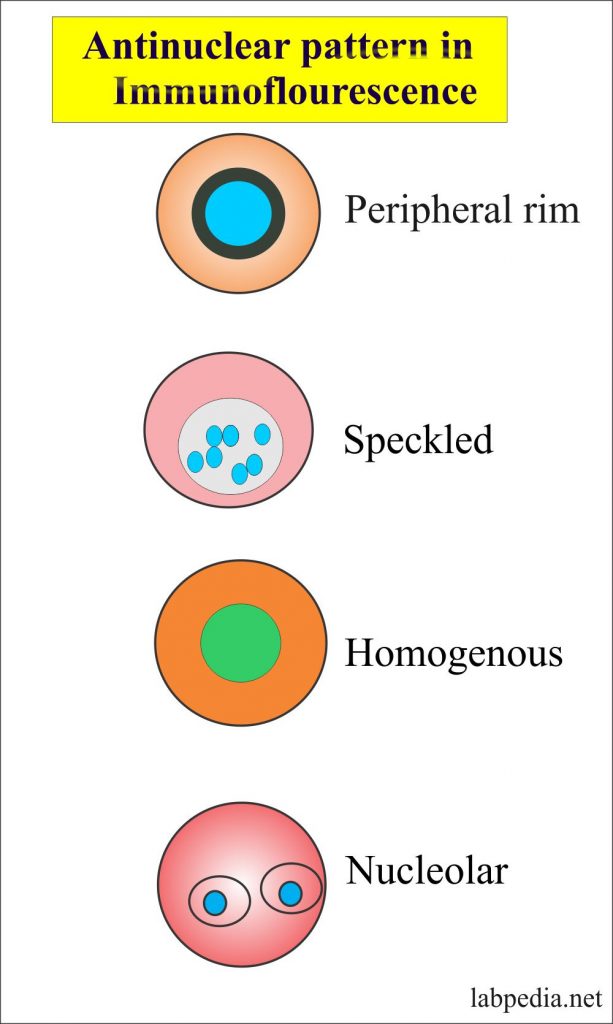
Positive Ana Speckled Pattern Chumado
Ana Titer 1 160 Speckled Pattern Chumado

Fine speckled ANA, AC4 from homepage of International consensus of ANA

Antinuclear Antibodies (ANA) test and their patterns ANA test What
Biochemistry, Antinuclear Antibodies (ANA) Article
A Speckled Staining Pattern Means Fine, Coarse Speckles Of Ana Are Present Throughout The Nucleus.
Certain Diseases Are More Likely To Have Certain Patterns.
Hypothyroidism (Underactive Thyroid) (Beyond The Basics))
Common Ana Pattern Is Speckled;
Related Post:
