
Traditional Viking Patterns
Traditional Viking Patterns - Web viking clothing patterns. While viking swords and axes may grab all the headlines as artifacts recovered from ancient sites, some of the most stunning archeological finds. Web south greenland’s agricultural roots date back to around 985 c.e. The vikings loved to have patterns on the clothes, and we do have some bits of pieces with patterns from the viking age. But many of the patterns that are made on reconstructed viking clothes today, are inspired by the viking art, such as on weapons, jewelry, runestones, and other sources, which are not necessarily. From left to right oseberg, borre, jellinge, mammen, ringerike, urnes. We’ll take a look at each of the art styles. Web viking art styles are unique in their intricate designs and symbolism, reflecting the rich culture and beliefs of the norse people. Each style is named for an area where a decorated object was found. Below is a look at seven traditional viking art styles, working in chronological order from the earliest forms to the latest. Below is a look at seven traditional viking art styles, working in chronological order from the earliest forms to the latest. What were the styles of viking art? Web authentic viking clothing was carefully constructed with symbolic textiles, embodying the cultural significance and heritage of the norse people. Web viking art is categorized into six dominant styles to emphasize the evolution of the distinct viking designs seen on their wood carvings and other items like chests, jewelry, as well as runic stones. Read on and we will tell you everything you need to know about knitting in norway, the history of the activity (including whether the vikings knitted!), and the country’s most cherished designs. The symbols had different themes: This article is a comprehensive guide to authentic viking clothing, taking into account historical evidence and scholarly interpretations. While viking swords and axes may grab all the headlines as artifacts recovered from ancient sites, some of the most stunning archeological finds. Web these carvings, found on ships, tools, and various artifacts, showcase the skilled craftsmanship and symbolic depth of the norse people. Authentic norse symbols dating back to the viking age. Web viking art is categorized into six dominant styles to emphasize the evolution of the distinct viking designs seen on their wood carvings and other items like chests, jewelry, as well as runic stones. The symbols had different themes: Made up of rectangles and triangles to make the most of the valuable material. Let’s take a look at some of. Guidance, fate, destiny, power, and authority. Web the oseberg style shows a strong interplay between zoomorphic and geometric patterns that continues artistic traditions predating the viking age. But many of the patterns that are made on reconstructed viking clothes today, are inspired by the viking art, such as on weapons, jewelry, runestones, and other sources, which are not necessarily. Regardless. The symbols had different themes: Web other styles of viking tunics include the smokkr, which is a traditional viking dress worn by women, and the serk, which is a sleeveless tunic worn as an undergarment. Web these carvings, found on ships, tools, and various artifacts, showcase the skilled craftsmanship and symbolic depth of the norse people. Web the oseberg style. Erik the red, who named greenland to attract settlers from iceland. What were the styles of viking art? Web length from shoulder to natural waist (for women) to hip (for men). Each style is named for an area where a decorated object was found. Web viking art styles are unique in their intricate designs and symbolism, reflecting the rich culture. Web historically accurate viking garb patterns tend to be simple and practical. Erik the red, who named greenland to attract settlers from iceland. What were the styles of viking art? Web these carvings, found on ships, tools, and various artifacts, showcase the skilled craftsmanship and symbolic depth of the norse people. Web other styles of viking tunics include the smokkr,. Web as the viking age progressed, craftsmen varied the designs and six distinct but overlapping art styles developed. Web a crucial part of understanding viking culture is the exploration of their attire or ‘garb.’. Made up of rectangles and triangles to make the most of the valuable material. Guidance, fate, destiny, power, and authority. Web the real viking symbols: Embark on a journey with norse patterns, perfect for print projects. While viking swords and axes may grab all the headlines as artifacts recovered from ancient sites, some of the most stunning archeological finds. Web as the viking age progressed, craftsmen varied the designs and six distinct but overlapping art styles developed. The styles of viking art. This is where. Web the real viking symbols: Web viking art styles timeline from 775 c.e. Web authentic viking clothing was carefully constructed with symbolic textiles, embodying the cultural significance and heritage of the norse people. What were the styles of viking art? Web viking art is categorized into six dominant styles to emphasize the evolution of the distinct viking designs seen on. Web over time, styles and designs changed and we now categorize viking art into six distinctive but overlapping periods, each named after the geographical area where important archaeological finds were made. Viking inspired fashion, widely recognized by its distinctive style, continues to influence modern trends. Web explore the depths of traditional viking patterns that adorned norse artifacts, revealing a rich. Each style is named for an area where a decorated object was found. Read on and we will tell you everything you need to know about knitting in norway, the history of the activity (including whether the vikings knitted!), and the country’s most cherished designs. From mythical creatures to geometric patterns, each carving tells a story about the beliefs and. From woodcarvings to metalwork, viking art is renowned for its craftsmanship and aesthetic principles. Web viking art styles are unique in their intricate designs and symbolism, reflecting the rich culture and beliefs of the norse people. The meaning of these symbols is still debatable, but there is evidence supporting their definitions. From left to right oseberg, borre, jellinge, mammen, ringerike, urnes. Web south greenland’s agricultural roots date back to around 985 c.e. Guidance, fate, destiny, power, and authority. Erik the red, who named greenland to attract settlers from iceland. Web length from shoulder to natural waist (for women) to hip (for men). The symbols had different themes: This article is a comprehensive guide to authentic viking clothing, taking into account historical evidence and scholarly interpretations. Regardless of the style, viking tunics were an integral part of norse culture and remain a popular choice for reenactors and history buffs today. Made up of rectangles and triangles to make the most of the valuable material. Their brooches, weapons, implements, and ship timbers often featured inlaid or carved abstract animal forms and elaborate interlacing patterns. Web a crucial part of understanding viking culture is the exploration of their attire or ‘garb.’. Nordic symbols commonly (but likely mistakenly) linked to norse mythology. Viking inspired fashion, widely recognized by its distinctive style, continues to influence modern trends.
Viking Pattern Warrior Valknut Norse Mythology Digital Art by Mister Tee

Jelling Style Viking art, Viking knotwork, Viking pattern

Viking Artwork / Viking Serpent and Vines / Digital Download Etsy

Borre Style Viking art, Viking knotwork, Norse tattoo

norse ornament Поиск в Google Viking pattern, Viking art, Norse design
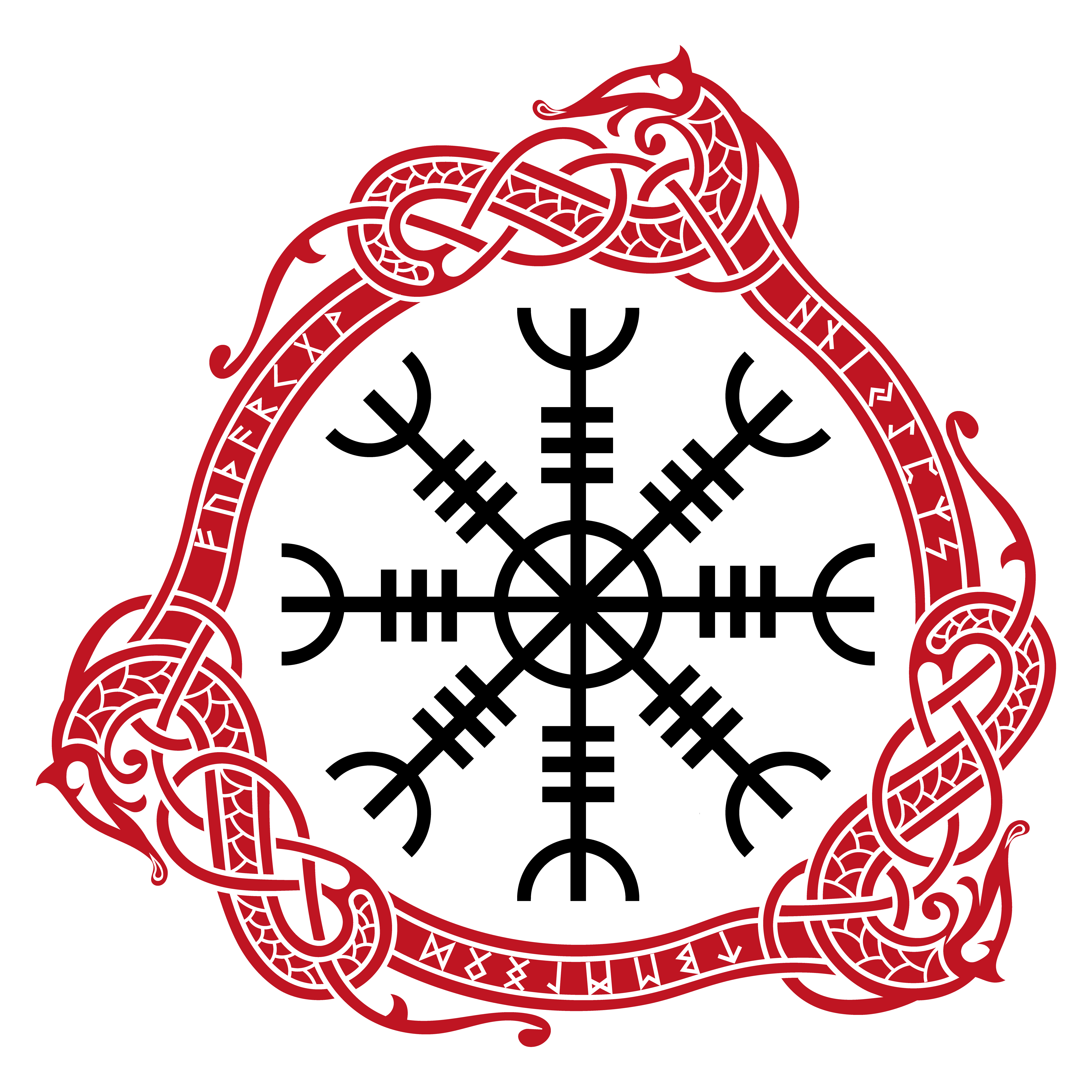
12 Fascinating Viking Symbols/Norse Symbols and Their Meanings
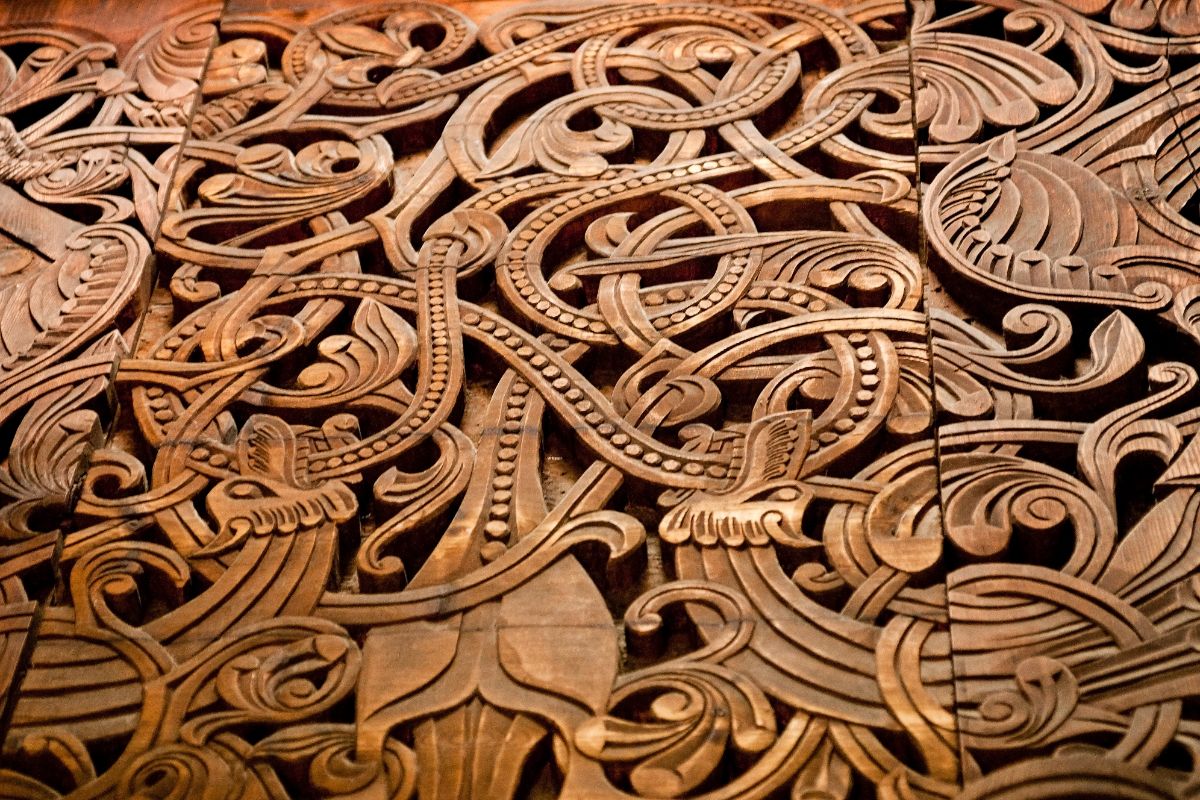
Exploring Traditional Viking Art NorseMythologist

Celtic viking forearm tattoo Celtic Sleeve Tattoos, Viking Tattoo

Borre Style Viking knotwork, Viking pattern, Norse tattoo
Viking Pattern Warrior Valknut Norse Mythology Digital Art by Mister Tee
Web The Oseberg Style Shows A Strong Interplay Between Zoomorphic And Geometric Patterns That Continues Artistic Traditions Predating The Viking Age.
But Many Of The Patterns That Are Made On Reconstructed Viking Clothes Today, Are Inspired By The Viking Art, Such As On Weapons, Jewelry, Runestones, And Other Sources, Which Are Not Necessarily.
The Vikings Loved To Have Patterns On The Clothes, And We Do Have Some Bits Of Pieces With Patterns From The Viking Age.
In Oseberg Art, Animal Motifs—Which Included Birds, Human Faces Sometimes Thought To Be Masks (Such As We See On The Oseberg Burial Cart), And The Gripping Beast—Appear Short And Stocky, Nearly.
Related Post: